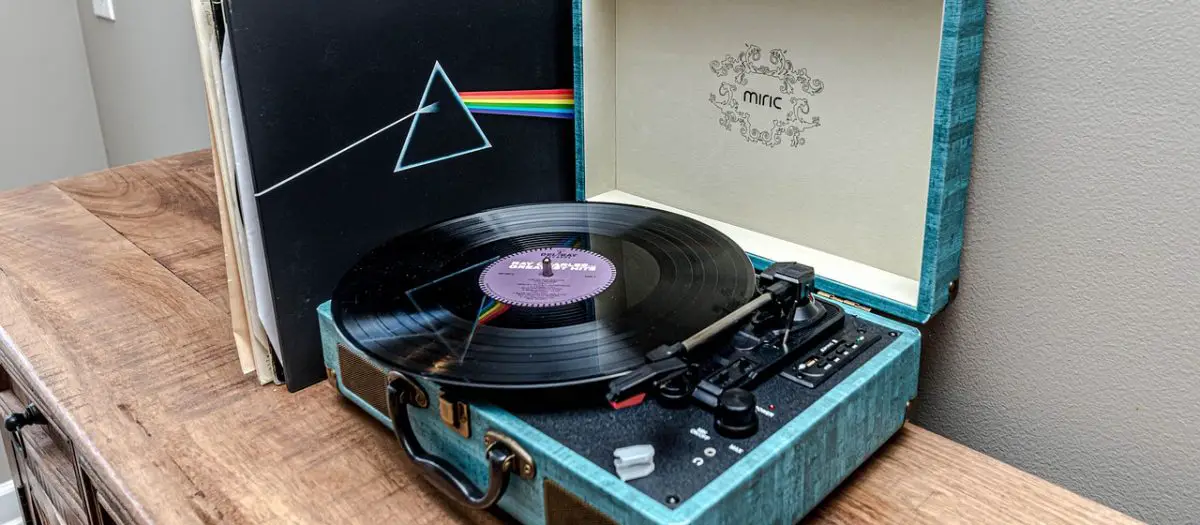
Quick Answer: The Audio-Technica AT-LP120XUSB ($299) remains the top choice for vinyl enthusiasts balancing quality and value, offering direct-drive performance and USB connectivity. For budget-conscious collectors, the Victrola Pro ($99-$129) delivers surprising sound quality, while serious audiophiles should consider the Pro-Ject Debut Carbon ($399) for its precision engineering and warm analog character. If you’re serious about vintage vinyl playback, the right turntable will transform your collection into the listening experience you deserve.
Turntable Comparison Table
| Product | Price (USD) | Best For | Key Feature | Where to Buy |
|---|---|---|---|---|
| Audio-Technica AT-LP120XUSB | $299 | All-around enthusiasts | Direct-drive, USB connectivity, 3-speed | Check Price on Amazon |
| Victrola Pro | $99-$129 | Budget-conscious collectors | Built-in preamp, Bluetooth, affordable | Check Price on Amazon |
| Pro-Ject Debut Carbon | $399 | Serious audiophiles | Precision tonearm, carbon fiber, warm sound | Check Price on Amazon |
| Technics SL-1200MK7 | $599 | DJ and audiophile hybrid users | Direct-drive stability, quartz lock, professional | Check Price on Amazon |
| Music Hall MMF-5.3 | $449 | Warm analog sound seekers | Belt-drive elegance, quality cartridge included | Check Price on Amazon |
| Denon DP-300F | $199 | Entry-level enthusiasts | Belt-drive smooth operation, built-in preamp | Check Price on Amazon |
| Rega Planar 1 | $225 | Minimalist purists | Simple, elegant design, excellent value | Check Price on Amazon |
| Fluance RT85 | $249 | Mid-range upgraders | Built-in preamp, high-torque motor, stable | Check Price on Amazon |
Budget Turntables ($99-$150)
Perfect Starting Point for New Collectors
If you’re just beginning your vinyl journey or want to test the waters without a major investment, budget turntables deliver surprising performance. These models won’t replace a $500+ system, but they respect your vinyl collection and provide genuine analog warmth that streaming services simply cannot replicate.
The Victrola Pro ($99-$129) stands out in this category with a built-in preamp, meaning you can connect it directly to powered speakers or an amplifier without additional equipment. Its three-speed motor (33, 45, 78 RPM) handles everything from modern reissues to obscure jazz records from the 1950s. The Bluetooth connectivity adds modern convenience without compromising analog integrity.
For those preferring a more traditional approach, the Denon DP-300F ($199) slots just above pure budget tier but delivers belt-drive consistency and a respectable moving magnet cartridge. Its semi-automatic operation engages and returns the tonearm, reducing wear on your records.
Who It’s For: First-time buyers, students in dorms, apartment dwellers with space constraints, or anyone testing if vinyl collecting fits their lifestyle. If you’re recovering vintage audio equipment like we discuss in our complete vintage HiFi setup guide, these turntables integrate beautifully with restored amplifiers.
What to Expect: Clean, clear playback with minimal wow and flutter. You’ll hear your records’ character without harsh distortion. Bass response remains present but not booming—ideal for accurate listening rather than party volume.
Mid-Range Turntables ($225-$299)
The Sweet Spot for Serious Collectors
This price range represents where vinyl playback quality jumps significantly without entering exotic territory. You’re paying for precision engineering, better motors, and cartridges that actually track grooves accurately rather than just sliding over them.
The Audio-Technica AT-LP120XUSB ($299) deserves its reputation as the collector’s default choice. Its direct-drive motor delivers rock-solid platter speed—critical for accurate pitch and rhythm. The tonearm accepts standard 1/2-inch cartridges, meaning you can upgrade to moving coil models as your ears and budget evolve. USB output lets you digitize deteriorating records, which is particularly valuable if you own rare pressings unlikely to see reissue. Three speeds accommodate everything from 33-RPM albums to 78-RPM shellac records.
If you prefer belt-drive smoothness and warmer character, the Rega Planar 1 ($225) embodies minimalist design philosophy—no frills, obsessive attention to mechanical precision. Its uncluttered aesthetic suits both vintage and modern decor. The included Rega cartridge sounds better than its price suggests, and future upgrades are straightforward.
The Fluance RT85 ($249) offers practical features: switchable preamp for use with vintage receivers or modern powered speakers, low-vibration feet that isolate the platter from floor resonance, and a high-torque motor that maintains consistent speed regardless of platter load. It’s the thinking person’s turntable—every design choice serves functionality.
Who It’s For: Established collectors building serious systems, audiophiles who understand turntable specifications, anyone integrating vinyl playback into properly treated room acoustics. If you’re restoring vintage audio equipment, these mid-range tables work beautifully with recapped receivers.
Expected Performance: Noticeably better channel separation, reduced distortion on quiet passages, superior tracking accuracy even on worn records. You’ll hear details—background vocals, subtle percussion—that budget tables miss.
Premium Turntables ($399+)
For Uncompromising Vinyl Enthusiasts
Premium turntables represent obsession with accuracy and musicality. These aren’t status symbols—they’re engineered to retrieve every detail your vinyl can provide.
The Pro-Ject Debut Carbon ($399) uses a carbon-fiber tonearm that eliminates resonance, meaning vibrations don’t blur detail. Its precision-engineered bearing systems support accurate tracking at ultra-light stylus forces. The result is warm, involving sound that keeps you listening for hours without fatigue. Every component serves the core mission: extract maximum musicality from the vinyl groove.
For professionals and serious enthusiasts, the Technics SL-1200MK7 ($599) brings decades of DJ and studio pedigree. Its direct-drive motor achieves exceptional speed stability through quartz-lock technology—the same precision that makes it the world’s most reliable turntable. Its heavy-duty construction, aluminum platter, and adjustable tonearm geometry satisfy both casual listening and critical evaluation. If you ever need to troubleshoot speed issues, the legendary Technics reliability means you’ll likely never need to—these tables run for decades without maintenance.
The Music Hall MMF-5.3 ($449) represents American manufacturing and customer support that actually answers the phone. Its AC motor, AC synchronous control, and precision-matched components deliver the warm, organic sound that defines analog playback. The included cartridge competes with aftermarket options costing twice as much. Music Hall’s philosophy prioritizes musicality over specifications—numbers don’t tell you how emotionally engaging a turntable sounds.
Who It’s For: Audiophiles who’ve spent time understanding turntable mechanics and specifications, collectors with rare pressings demanding optimal playback, anyone whose vinyl system represents a long-term investment rather than a hobby phase.
What Separates Premium from Mid-Range: Speed stability within ±0.01%, tonearm geometric precision measured to fractions of a millimeter, cartridges whose retail value approaches the mid-range turntable price, and sound character that reveals the difference between pressings from different plants in the same year.
Audio-Technica AT-LP120XUSB: The Best All-Around Choice
View current pricing on Amazon
This turntable represents the point where quality meets practicality. At $299, it’s not the cheapest option, but it justifies every dollar through engineering that respects both vintage vinyl and modern utility.
Key Specifications and Features:
- Direct-Drive Motor: Maintains platter speed to within ±0.2% of rated 33, 45, or 78 RPM—acceptable even for audiophile standards
- Tonearm Design: Adjustable counterweight, anti-skate control, and VTA adjustment allow cartridge optimization for your specific collection
- Cartridge: Audio-Technica moving magnet design tracks at 2 grams force—light enough to respect record grooves, heavy enough to reject tracking errors
- USB Output: Digitize irreplaceable records with integrated USB connectivity and included software
- Start/Stop Automation: Automatic tonearm engagement and lift reduce manual operation wear
- Build Quality: Aluminum platter with adequate mass, rubber isolation feet, and die-cast base minimize vibration transmission
Price Range:
$299-$329 depending on finish (black or silver) and retailer promotions.
Pros:
- Speed accuracy rivals turntables costing three times as much
- Standard 1/2-inch cartridge mount enables future upgrades to moving coil models
- USB connectivity preserves deteriorating records without expensive archival services
- Three speeds accommodate 78-RPM records, shellac, and modern reissues
- Included cartridge sounds surprisingly good, though you’ll benefit from upgrades later
- Widely available with strong customer reviews and support community
- Connects to either active speakers or vintage amplifiers without modification
Cons:
- Tonearm lacks the carbon-fiber construction of premium models—not a flaw, just physics
- Platter mass is moderate; bass response feels less defined than belt-drive designs
- USB implementation requires your turntable to sit near a computer, limiting placement flexibility
- Cartridge upgrade path adds expense if you pursue moving coil performance
- Not ideal for DJ scratching, though it’ll perform acceptably
Pro-Ject Debut Carbon: Premium Precision Without Premium Complexity
Check current availability on Amazon
This turntable embodies European precision engineering. Pro-Ject manufactures in Austria where obsessive attention to mechanical tolerances defines the culture. The Debut Carbon represents the company’s philosophy: exceptional sound through relentless mechanical design, not complicated electronics.
Key Specifications and Features:
- Carbon-Fiber Tonearm: Eliminates resonance that blurs detail; handles vibration better than aluminum
- Precision Bearing System: Minimizes friction, allowing light tracking force without tracking errors
- AC Motor: Synchronous belt-drive delivers warm character; speed regulation through AC current stability
- Ortofon 2M Red Cartridge: Moving magnet design priced at $150+ if purchased separately; tracks at 1.6 grams
- Minimalist Design: No digital displays, no complicated menus—pure mechanical engineering
- Upgrade Path: Accepts higher-output moving coil cartridges for future enhancement
Price Range:
$399-$425 for the standard black finish.
Pros:
- Carbon-fiber tonearm genuinely reduces distortion on long album sides
- Included Ortofon cartridge sounds refined and musical from day one
- Warm analog character appeals to listeners prioritizing engagement over analytical accuracy
- Exceptional build quality—European engineering standards make this feel like an heirloom
- Simple operation with no learning curve—just set speed and play
- Low stylus tracking force respects vinyl in your collection, extending playback life
- Excellent resale value in the used market
Cons:
- Belt-drive design requires occasional belt inspection and potential replacement (every 10 years typically)
- No USB or digital features; you’ll need separate equipment for digitizing records
- No automatic start/stop—you manually engage the tonearm and lift it at album’s end
- Platter speed slightly less stable than quartz-locked direct-drive alternatives
- Higher initial cost than mid-range options, though cost-per-year approaches comparable over turntable lifetime
Technics SL-1200MK7: Professional Reliability Meets Home Listening
This is the turntable that DJs trust to perform reliably in clubs worldwide. Technics manufactured the original SL-1200 starting in 1972—for 50 years, it’s been the professional standard. The MK7 represents the current pinnacle of that lineage.
Key Specifications and Features:
- Quartz-Locked Direct-Drive: Speed stability within ±0.02%, meaning pitch remains absolutely consistent across albums
- Heavy Die-Cast Aluminum Platter: Weighs significantly more than consumer models, absorbing vibration and providing flywheel effect
- High-Torque Motor: Reaches platter speed nearly instantly without speed lag
- Pitch Control: Professional-grade ±8% and ±16% speed adjustment for DJs; home listeners can ignore entirely
- Adjustable Tonearm Geometry: VTA adjustment, calibrated counterweight, and anti-skate optimization
- Build Durability: Engineered to operate continuously in clubs; home use means decades of reliable operation
Price Range:
$599-$649, making it premium-tier but cost-effective over 20-year operating life.
Pros:
- Speed stability superior to any consumer alternative—pitch remains consistent from album to album
- Legendary reliability; countless stories of SL-1200s operating without maintenance for 30+ years
- Heavy platter provides excellent momentum and isolated bass response
- Standard cartridge mount accepts any moving magnet or coil design
- Exceptional resale value; used models cost only 20-30% less than new
- Professional support network; repair manuals exist for every revision
- Adjustable features grow with your knowledge—complexity only when you want it
Cons:
- Significant weight and bulk make placement challenging in space-limited listening rooms
- Professional heritage means it looks industrial—doesn’t suit minimalist or feminine decor equally well
- Pitch control tempts casual users; most will never need this feature
- Zero automatic features; manual operation at both start and finish
- Overkill for casual listeners—like buying a touring motorcycle for local errands
- Power consumption higher than mid-range alternatives due to high-torque motor
Music Hall MMF-5.3: American Warmth and Craftsmanship
Check availability and pricing
Music Hall represents American audio traditions prioritizing musicality over measurement. Their philosophy: a turntable should make you feel the music, not analyze it. This approach resonates deeply with vinyl collectors who remember music’s warmth before measurement culture took over.
Key Specifications and Features:
- AC Synchronous Motor: Belt-drive design with power-supply regulation delivering rock-solid speed
- Precision-Matched Components: Every bearing, every suspension point engineered for harmonic coherence
- Rega-Based Design: Proven tonearm geometry refined through decades of implementation
- Included Cartridge: Rega Planar cartridge valued at $150+ when purchased separately
- American Manufacturing: Assembled in Delaware with customer service that actually serves customers
- Upgrade-Friendly: Accepts any 1/2-inch standard cartridge for future refinement
Price Range:
$449-$479 depending on finish selection.
Pros:
- Exceptional musicality—this turntable makes ordinary records sound special
- Included cartridge rivals cartridges costing twice as much from other manufacturers
- American support and repair network; real people answer the phone
- Warm, engaging sound character that appeals to music lovers rather than specification readers
- Excellent build quality with attention to aesthetic detail
- Competitive pricing for the quality delivered
- Strong community of users willing to share upgrade recommendations
Cons:
- Belt-drive requires occasional inspection and potential replacement
- Lacks digital features—no USB, no Bluetooth, no automatic operation
- Slower platter acceleration compared to direct-drive designs
- Manual tonearm engagement demands care to avoid record groove damage
- Less readily available than mass-market brands; requires specialty retailers
- Warmer sound character, while musically engaging, measures less “accurate” than neutral designs
Rega Planar 1: Minimalist Perfection for Budget Consciousness
Rega’s design philosophy: remove everything except what directly contributes to accurate playback. This turntable proves that exceptional sound doesn’t require complicated features. The Planar 1 has educated multiple generations about what truly matters in turntable design.
Key Specifications and Features:
- Minimalist Design: Only controls needed for operation; no unnecessary electronics
- Synchronous Motor: AC power regulation ensures consistent speed; belt-drive eliminates motor vibration
- Precision Tonearm: Expertly balanced, low-friction bearing design allows light tracking force
- Included Cartridge: Rega’s own design optimized for this specific tonearm
- Simple Operation: Turn on, place stylus, lift when done—no learning curve
- Compact Footprint: Ideal for limited space without compromising mechanical integrity
Price Range:
$225-$250, representing exceptional value at the price point.
Pros:
- Honest, accurate sound without coloration or pretense
- Exceptional value—serious audiophiles regularly choose this over turntables costing three times more
- Minimalist design appeals to aesthetic sensibilities across decor styles
- Reliability legendary; these turntables operate reliably for decades
- Easy upgrade path—replacing the cartridge unlocks significant improvement
- Compact size suits apartment living and limited shelf space
- User community remains active despite turntable’s age; spare parts available
Cons:
- Zero automatic features; manual operation required for every use
- No USB or digital connectivity for archiving
- Platter mass modest—bass response less defined than heavier designs
- Cartridge tracking force slightly higher than ideal for worn records
- Minimalist control panel provides no visual feedback about operation
- Speed accuracy acceptable but not exceptional compared to quartz-locked designs
Setting Up Your New Turntable: The Complete Process
What You Need Before Setup:
- Turntable: Your chosen model from the options above
- Powered Speakers or Amplifier System: Check powered speaker options or use vintage amplifier with external phono preamp if needed
- Interconnect Cables: Quality RCA cables (not the cheapest option, but avoid boutique pricing)
- Record Cleaning Kit: Essential for protecting your collection
- Stylus Force Gauge: Digital scale ensures proper tracking force (prevents groove damage)
- Bubble Level: For achieving proper turntable geometry
- Anti-Static Mat: Optional but worthwhile for record protection during play
Step-by-Step Setup Instructions:
Step 1: Choose Your Location Wisely
Place your turntable on a stable, level surface away from speakers, subwoofers, and foot traffic. Vibrations traveling through floors and walls reach the stylus, degrading playback quality. A dedicated equipment rack provides isolation superior to shelving. Check our guide to room acoustics for vinyl listening for detailed placement strategies. Avoid direct sunlight, which warps vinyl and ages rubber components. Temperature stability matters—consistent environments between 65-75°F preserve turntable longevity.
Step 2: Level the Turntable Precisely
Use a bubble level to verify turntable leveling in both directions. An unlevel turntable causes skating forces that push the stylus toward the outer groove wall, increasing wear. Most turntables include adjustment feet—modify these until your bubble level shows perfect horizontal alignment. Take time with this step; it directly affects how long your records survive stylus contact.
Step 3: Install the Cartridge Correctly
If your turntable didn’t ship with a cartridge, consult our comprehensive cartridge installation and maintenance guide. Align the cartridge in the headshell using the alignment jig provided (or purchase one for $20-40). Proper alignment determines groove tracking accuracy—misaligned cartridges damage records immediately. Connect the four color-coded wires: red (right+), white (left+), green (right-), blue (left-). Secure the cartridge with provided hardware, then verify the headshell sits parallel to the record surface.
Step 4: Set the Tracking Force Precisely
The stylus force represents the downward pressure the stylus applies to the groove. Too light and the stylus skates across grooves without proper tracking, creating distortion. Too heavy and the stylus gouges the groove, permanently damaging records. Most modern cartridges perform optimally between 1.5 and 2.5 grams. Purchase a digital tracking force gauge ($20-50) and adjust your turntable’s counterweight until the gauge reads the manufacturer’s recommended force. This five-minute adjustment directly determines your records’ lifespan.
Step 5: Adjust Anti-Skate Settings
Anti-skate compensation counteracts the groove’s inward pull. Set it equal to your tracking force initially—if you’re tracking at 2 grams, set anti-skate to 2. With the turntable running and the tonearm lifted off the record, the arm should drift neither toward the center nor the edge. Fine-tune from there. Proper anti-skate prevents excessive wear on the groove’s inner wall.
Step 6: Connect Your Audio System
Run quality RCA cables from turntable output to your amplifier or powered speakers. If your turntable includes a built-in preamp, connect to any line-level input on your amplifier. If not, connect to a dedicated phono input or install an external phono preamp. Avoid long cable runs (keep RCA cables under 25 feet); longer runs pick up electromagnetic interference. Use cable ties to keep wiring organized and away from power cables.
Step 7: Power On and Test**
Turn on your turntable and listen for any unusual noise—grinding sounds indicate shipping damage or mechanical issues. Check that the platter reaches consistent speed within 3-5 seconds (belt-drive takes longer than direct-drive). Place a test record on the platter and gently guide the stylus into the lead-in groove. The sound should be clean and distortion-free. If you hear excessive noise or distortion, recheck your cartridge alignment and tracking force—these account for 90% of setup problems.
Step 8: Break In Your Turntable**
New turntables improve as components settle. Run the turntable for several hours at low volume, allowing bearings to distribute lubricant evenly. After 20-30 hours of operation, check all fasteners (vibration may have loosened them slightly) and recheck leveling. After 50-100 hours, belt-drive turntables reach their optimized performance point. This isn’t marketing—it’s mechanical reality.
Common Turntable Mistakes to Avoid
- Mistake: Buying the Cheapest Option Without Understanding Trade-offs
Why it’s a problem: Turntables under $80 consistently deliver poor tracking, excessive platter wow, and cartridges that damage records immediately. You’ll spend more replacing destroyed records than you saved on the turntable. Fix: Invest minimum $150-200 in a turntable with proper bearing and motor design. You’ll preserve your vinyl investment and enjoy actual analog warmth rather than distortion. - Mistake: Neglecting Record Cleaning Before Playing
Why it’s a problem: Dust particles on record grooves act as sandpaper between the stylus and vinyl. A single dusty play can cause damage equivalent to 100 clean plays. Used records especially harbor years of accumulated grime. Fix: Invest in a proper cleaning system and clean every record before initial play. Quality cleaning takes 2-3 minutes per record and extends playback life by 10-20 years. - Mistake: Installing Incorrect Tracking Force
Why it’s a problem: Too-light tracking force creates distortion and tracking errors (the stylus bounces out of grooves). Too-heavy force gouges vinyl grooves permanently—damage that no future repair addresses. Users often guess at tracking force because they lack a scale. Fix: Purchase a tracking force scale ($15-50) and measure your specific cartridge’s manufacturer specification. Five minutes of adjustment extends record life by decades. - Mistake: Placing the Turntable on Unstable or Vibration-Prone Furniture
Why it’s a problem: Vibrations from footsteps, speakers, or unstable furniture transmit to the tonearm, creating rumble and distortion. You’ll hear footsteps during quiet passages. The stylus becomes a vibration sensor rather than a groove reader. Fix: Place your turntable on a dedicated, level equipment stand isolated from speakers. Add isolation pads under the turntable feet. If budget-constrained, a sturdy bookshelf beats flimsy furniture every time. Turntables deserve stability more than any other component. - Mistake: Ignoring Platter Speed Verification
Why it’s a problem: Turntables with inconsistent speed (wow and flutter) make music sound like it’s played through underwater tape. Classical music becomes particularly awful—violins waver unnaturally. Consumer equipment often drifts ±0.5% or worse. Fix: Use a strobe app on your smartphone (placed at the turntable edge, watching the platter markings) to verify speed consistency. If speed drifts more than ±0.1%, the bearing or motor needs attention. For vintage turntables, consult restoration guides before attempting DIY fixes. - Mistake: Assuming Preamp Quality Doesn’t Matter
Why it’s a problem: Many budget turntables include terrible built-in preamps that color sound significantly. Cheap preamps add noise, distortion, and frequency response irregularities. You’re buying a turntable to access vinyl’s sonic character, not to hear preamp distortion. Fix: If your turntable includes a mediocre preamp, install a quality external phono preamp ($100-300). A dedicated preamp reveals details that built-in versions miss entirely. Some high-end turntables ship without preamps—you add one matching your system’s quality level. - Mistake: Playing Records Without Removing Dust or Debris
Why it’s a problem: Beyond groove damage, dust creates pops and crackles that interrupt musical enjoyment. Dust also accumulates on the stylus, increasing stylus wear and changing tracking geometry. After several dusty plays, tracking force changes significantly. Fix: Keep records in proper sleeves, store vertically (never horizontally—causes warping), and remove dust with a carbon-fiber record brush before every play. Clean the stylus with a dedicated stylus brush every 5-10 plays. Five minutes of maintenance prevents hours of degradation.
Understanding Key Turntable Specifications
Direct-Drive vs. Belt-Drive: What Actually Matters
Direct-Drive Design: The motor directly turns the platter through a shaft. Advantages include instant speed response, strong starting torque, and exceptional speed stability. Disadvantages: motor vibration transmits directly to the platter. Professional turntables (DJ models) always use direct-drive because speed stability outweighs vibration concerns. Home listening benefits from direct-drive if the motor is well-isolated. Audio-Technica and Technics excel at direct-drive for home listening.
Belt-Drive Design: A rubber belt connects the motor to the platter, isolating motor vibration. The belt acts as a mechanical low-pass filter, removing high-frequency motor noise. Disadvantages: slower acceleration and slightly less speed stability. For home listening, many audiophiles prefer belt-drive’s warmer, less electronically-driven character. Pro-Ject and Music Hall excel at belt-drive refinement.
The Real Answer: Both designs deliver excellent results. Choose based on your motor isolation quality, not on design alone. A well-implemented belt-drive outperforms a poorly-executed direct-drive system.
Platter Mass and Its Effect on Sound
Heavier platters (aluminum or vinyl-coated steel, typically 2-5 pounds) accumulate rotational momentum that maintains consistent speed better than lighter designs. They also damp high-frequency vibration that might otherwise color sound. Lighter platters accelerate faster but offer less speed stability. Most modern turntables use moderate platter mass (2-3 pounds) as a compromise. The Technics SL-1200MK7’s heavier platter contributes to its excellent bass reproduction and perceived “weight” in the sound.
Cartridge Compliance and Tracking Force Relationship
Cartridge compliance measures how much the stylus assembly moves vertically under force. High-compliance cartridges work best with light tracking forces (1.5-2 grams). Low-compliance cartridges prefer heavier forces (2.5-3 grams). Mismatching compliance to tracking force creates problems: light forces with low-compliance cartridges cause tracking errors; heavy forces with high-compliance cartridges damage records. Always consult your specific cartridge’s manufacturer specifications. Our cartridge comparison guide explores these relationships in depth.
Related Guides
Expand your vinyl playback knowledge with these complementary resources:
- Turntable Cartridges: Selection, Installation, and Maintenance—The Complete Engineering Guide
- When to Use an External Phono Preamp: Decision Matrix for Vinyl Playback
- Vinyl Record Grading, Preservation, and Building a Stable Collection: The Engineering Reality Behind Analog Longevity
- Room Acoustics for Vinyl Listening: Setup, Treatment, and Realistic Expectations
- Complete Vintage HiFi Setup Guide: Build Your Dream Audio System from the Golden Age of Sound
- How to Replace a Worn Turntable Tonearm Pivot Bearing: Complete 2026 Guide
Frequently Asked Questions About Turntables
What’s the difference between automatic and manual turntables?
Automatic turntables include motors that engage the tonearm at the beginning and lift it automatically at the end. Manual turntables require you to engage and disengage the tonearm yourself. Automatic designs reduce manual handling, which decreases the chance of damage from clumsy operation. Manual turntables require attention but give you complete control. For careful listeners, manual operation is fine and often preferred because it feels more intentional. For casual listeners, automatic models eliminate the risk of leaving a record playing indefinitely.
Should I buy new or vintage turntables?
Modern turntables offer better speed stability, lower bearing friction, and superior materials. Vintage turntables often sound excellent but require professional restoration to achieve consistent results. If you’re unfamiliar with turntable mechanics, new models provide reliability without repair risk. If you enjoy restoration projects, our guide to vintage vs. modern components explains when vintage makes sense. Quality vintage tables like Technics SL-1200s remain superior to new budget models—but budget new models beat neglected vintage equipment every time.
Do I need a preamp with my turntable?
If your turntable includes a built-in preamp, you can connect directly to powered speakers. If it doesn’t, you’ll need either an external preamp or an amplifier with a dedicated phono input. Some listeners upgrade to external preamps even when turntables include built-in versions—high-quality external preamps reveal details that budget built-in designs miss. Quality external preamps range from $100-300, offering excellent investment if you’re serious about vinyl.
What’s the longest turntable will last if I take care of it?
Properly maintained turntables function for 20-30+ years. The Technics SL-1200, produced since 1972, regularly operates reliably for 40+ years. Life depends on bearing quality, motor reliability, and maintenance consistency. Belt-driven models occasionally need belt replacement (typically every 10-15 years, $10-20 for the belt itself). Direct-drive motors last longer without bearing replacement if properly lubricated. Our repair toolkit guide covers the maintenance your turntable needs.
Can I upgrade cartridges on any turntable?
Most modern turntables accept standard 1/2-inch cartridge mounts, making upgrades straightforward. Budget turntables sometimes use proprietary cartridge designs that can’t be upgraded without replacing the tonearm. Check your turntable’s specifications before assuming upgrade capability. When upgrading cartridges, remember that tracking force and compliance must match your tonearm’s capabilities. Moving coil cartridges often require different preamp input levels than moving magnet models.
How much does turntable maintenance really cost?
Basic maintenance supplies (cleaning fluid, stylus brush, dust covers) cost $30-50. Professional bearing cleaning or motor service runs $100-300 depending on the technician. Belt replacement costs $10-30 for the part plus service labor if you’re uncomfortable with DIY work. Regular maintenance (cleaning records, stylus, checking level) requires no spending beyond initial supply investment. The philosophy: prevent expensive repairs through simple maintenance. Five minutes of care beats five hours of troubleshooting later.
What turntable should I buy if space is limited?
Compact models like the Rega Planar 1 occupy minimal footprint while delivering quality that rivals much larger turntables. Audio-Technica’s AT-LP120XUSB, though slightly larger, provides excellent performance in limited spaces. Avoid ultra-compact “suitcase” models—they typically sacrifice sound quality for portability. The sweet spot for space-constrained listeners: a mid-range turntable on a small dedicated stand rather than trying to cram it into general furniture.
How do I know if my turntable needs professional service?
Warning signs include increased wow and flutter (pitch wavering), grinding noises, excessive rumble, or tracking problems despite correct force adjustment. Speed drift that won’t stabilize suggests bearing wear or motor issues. Tonearm drift (not staying in proper position) indicates bearing deterioration. Most turntables benefit from professional bearing cleaning every 10-15 years if used regularly. Our multimeter testing guide covers electrical diagnostics; mechanical issues require professional evaluation.
Should I use a turntable mat or platter pad?
Turntable mats primarily reduce static electricity, which attracts dust to records during play. They also marginally damp vibration. Quality felt or rubber mats cost $15-40 and provide worthwhile benefits. They’re not essential for proper operation but represent excellent value for record protection. Avoid cheap plastic mats—they trap more dust than they prevent. The best mat feels slightly tacky (grips the record) without damaging the label.
Can I mix turntable brands with cartridges and preamps?
Yes. Standard 1/2-inch cartridge mounts fit any turntable using that standard mount system. External preamps connect to any turntable via RCA cables. The beauty of standard-based design: you can optimize each component separately based on budget and preferences. You might own a mid-range turntable with a premium cartridge and budget preamp (upgrading the preamp later when funds allow). Verify compatibility before purchasing, but standard designs ensure flexibility.
Final Recommendations for 2026
The turntable market in 2026 offers exceptional options across all price ranges. Whether you’re starting your vinyl journey or upgrading after years of enjoyment, these recommendations balance practicality with performance:
For Most People: The Audio-Technica AT-LP120XUSB remains the obvious choice. Its direct-drive precision, USB connectivity, and mid-range price create an unbeatable value proposition. You’ll respect your vinyl collection while building a system that grows as your interests deepen.
For Warm, Engaging Sound: The Pro-Ject Debut Carbon prioritizes musical involvement over analytical accuracy. If you play records for emotional connection rather than technical evaluation, this turntable’s warmth and refinement justify its premium pricing.
For Absolute Reliability: The Technics SL-1200MK7 offers unmatched speed stability and legendary longevity. It’s overkill for casual listeners but perfect for anyone treating their turntable as a 30-year investment.
For Budget Consciousness: The Rega Planar 1 proves you don’t need to spend $400+ for excellent playback. Its minimalist philosophy and quality construction deliver honest, accurate sound that respects both your vinyl and your budget.
Whichever turntable you choose, remember: this is the beginning of your vinyl journey, not the end. Invest in record cleaning, tracking force verification, and proper room placement. These details determine whether you’re listening to records or merely spinning them. Your vinyl collection deserves more than casual treatment—it deserves a turntable and system that honor the music captured in those grooves.