Vintage turntable values range from $50 for basic models to $5,000+ for audiophile classics like the Technics SL-1200, depending on brand, condition, and rarity. Here’s your complete guide to current market values, what drives collector demand, and how to assess any vintage turntable’s worth in the booming 2025 analog market.

Why Vintage Turntables Command Premium Prices in 2025
The vintage turntable market has experienced unprecedented growth since 2020, driven by vinyl’s resurgence, superior analog engineering from the golden era, and growing recognition that many vintage models outperform modern alternatives costing twice as much.
Key Factors Driving Value:
- Superior engineering: 1970s-80s represented the peak of analog technology investment
- Build quality: Heavy chassis, precision bearings, and premium materials now extinct
- Limited supply: No new production of many classic designs, finite collector market
- Vinyl renaissance: Record sales hit 30-year highs, driving turntable demand
- Investment recognition: Premium models appreciating 15-25% annually
- Nostalgia economics: Gen X and millennials with disposable income seeking quality
Unlike modern cost-engineered designs, vintage turntables were built during an era when manufacturers competed on engineering excellence rather than price points. The result: machines that often outperform contemporary models costing significantly more.
The 2025 Turntable Market Explosion
The vintage turntable market has transformed from a niche collector hobby into a mainstream investment category, with price appreciation exceeding traditional collectibles in many segments.
Market Growth Data (2020-2025):
- Technics SL-1200 series: +180% average price increase
- High-end Thorens models: +250% appreciation
- Professional Sony turntables: +200% value growth
- Quality German brands (Dual, EMT): +220% price surge
- Rare idler-drive models: +300%+ for exceptional examples
This appreciation reflects fundamental market changes: baby boomers downsizing collections meet millennials discovering analog quality, while social media showcases vintage turntables as both functional art and serious audio components.

Brand-by-Brand Value Guide: The Premium Market
Technics: The Gold Standard
Market Position: Most recognizable and liquid vintage turntable brand
Price Range: $400-$3,500+
Investment Grade: Excellent long-term appreciation potential
Technics turntables, particularly the legendary SL-1200 series, represent the most stable and liquid segment of the vintage turntable market. Originally designed for broadcast and DJ use, their precision engineering and bulletproof reliability have made them equally prized by audiophiles.
Technics SL-1200 Series Values (2025):
- SL-1200 MK2 (1979-1999): $800-$1,500 depending on condition
- SL-1200 MK3 (1989-1997): $900-$1,800, improved anti-skate mechanism
- SL-1200 MK5 (2002-2008): $1,000-$2,200, highest build quality period
- SL-1210 variants: $50-$100 premium for black finish models
- Limited editions: $1,500-$3,500+ for rare color variants
What Affects Technics Pricing: Condition of pitch control, tonearm bearing play, original packaging, and modification history. Unmodified examples with original cases command highest prices, while heavily modified DJ units trade at significant discounts.
Technics accessories: Original Technics Parts and Accessories
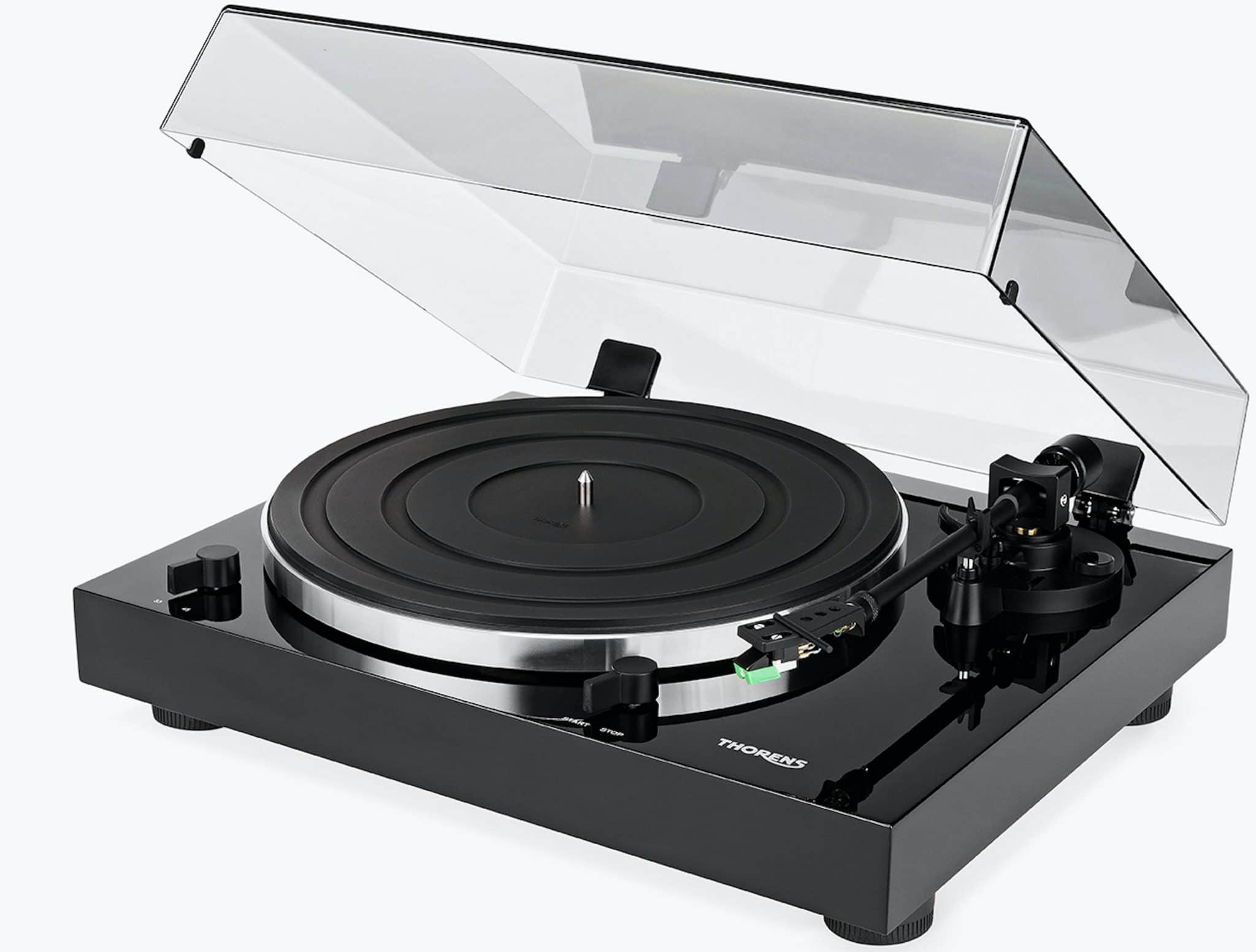
Thorens: Swiss Precision
Market Position: Audiophile favorite with strong collector following
Price Range: $300-$4,000+
Investment Grade: Premium models showing strongest appreciation
Thorens represents the pinnacle of Swiss engineering applied to turntable design. Their models from the 1960s-80s are considered among the finest analog playback devices ever created, combining precision manufacturing with elegant aesthetic design.
Key Thorens Models and Values:
- TD-124 (1957-1975): $1,500-$4,000+, legendary broadcast turntable with idler drive
- TD-160 (1975-1990): $400-$1,200, most popular audiophile model
- TD-125 (1968-1975): $800-$2,500, professional belt-drive reference
- TD-150 (1965-1975): $300-$800, excellent entry-level audiophile option
- TD-165/166: $250-$600, consumer versions with automatic features
Thorens Investment Insight: TD-124 models have shown the strongest appreciation, particularly examples with original EMT tonearms and plinths. The TD-160 remains undervalued relative to performance, representing excellent entry points into serious analog playback.
Thorens restoration: Thorens Restoration Supplies
Sony: High-End Consumer Excellence
Market Position: Undervalued relative to performance and build quality
Price Range: $200-$2,000+
Investment Grade: Strong potential as market discovers quality
Sony’s turntable division produced some of the most innovative and well-built models of the analog era, particularly their direct-drive designs and revolutionary linear-tracking models. Many remain significantly undervalued compared to equivalent European designs.
Sony Model Hierarchy and Values:
- PS-X800: $1,200-$2,000+, flagship biotracer linear tracking system
- PS-X700/750: $800-$1,500, professional direct-drive with excellent build
- TTS-8000: $1,000-$2,500, broadcast-quality professional model
- PS-X600/650: $400-$900, high-performance consumer direct-drive
- PS-X500/550: $200-$500, excellent entry-level direct-drive models
Sony’s Innovation Legacy: The Biotracer linear tracking system and direct-drive technology pioneered by Sony influenced turntable design for decades. Their professional TTS series matched European broadcast quality at significantly lower prices.
Dual: German Engineering
Market Position: Reliable workhorses with growing collector interest
Price Range: $100-$1,200+
Investment Grade: Excellent value with appreciation potential
Dual turntables represent quintessential German engineering: robust, reliable, and built to last generations. Their automatic mechanisms and thoughtful design details created machines that combined convenience with serious audio performance.
Dual Model Values and Characteristics:
- 1229/1219: $300-$800, legendary automatic turntables with cult following
- CS-505/515 series: $150-$400, popular consumer automatics
- 701/721: $400-$900, professional direct-drive models
- 1009/1019: $200-$500, classic belt-drive automatics
- CS-1200 series: $100-$300, budget-friendly but competent performers
Dual’s Unique Position: Automatic operation combined with audiophile-level performance made Dual turntables popular with serious listeners who valued convenience. Modern appreciation for their engineering quality drives steady price appreciation.
Dual parts and service: Dual Turntable Parts and Service
Pioneer: Professional Grade Performance
Market Position: Undervalued professional-quality models
Price Range: $150-$1,200+
Investment Grade: Strong appreciation potential as market matures
Pioneer’s turntable division focused on professional and semi-professional markets, creating models with exceptional build quality and innovative features. Many remain undervalued despite performance rivaling much more expensive European alternatives.
Pioneer Professional Models:
- PL-70L II: $400-$800, legendary linear tracking design
- PL-630: $200-$500, excellent direct-drive with superb build quality
- PL-516/518: $150-$350, reliable automatic turntables
- PL-12D/15D: $100-$300, classic belt-drive designs
- Exclusive series: $300-$1,200+, limited production high-end models
Garrard and Lenco: Idler Drive Kings
Market Position: Cult following among serious audiophiles
Price Range: $200-$3,000+
Investment Grade: Exceptional appreciation for pristine examples
Idler-drive turntables from Garrard and Lenco have experienced remarkable renaissance among audiophiles who appreciate their distinctive sound characteristics and rock-solid speed stability. Professional broadcast models command premium prices.
Idler Drive Legends:
- Garrard 301/401: $1,500-$3,000+, legendary broadcast turntables
- Lenco L75/78: $400-$1,200, Swiss-made precision idler drives
- Garrard Type A: $800-$2,000+, professional broadcast model
- Lenco L70: $200-$600, excellent consumer idler-drive option
- Garrard Zero 100: $300-$800, innovative design with tracking force adjustment
Condition Assessment: The Value Multiplier
Condition dramatically affects vintage turntable values, often making the difference between a $200 project and a $2,000 collector piece. Understanding condition factors helps both buyers and sellers accurately assess market value.
Mint/Near Mint (90-100% of high value):
- Original packaging, manuals, and accessories present
- Minimal use with no visible wear or modifications
- Perfect mechanical and electrical function
- Original dust cover in excellent condition
Excellent (70-90% of high value):
- Light use with minor cosmetic wear
- All functions working perfectly
- Original components with possible cartridge upgrade
- Minor scuffs on plinth or dust cover acceptable
Very Good (50-70% of high value):
- Moderate use with visible wear but solid function
- Possible minor modifications or component replacements
- Some cosmetic issues but structurally sound
- May need routine maintenance or adjustment
Good (30-50% of high value):
- Heavy use with significant cosmetic wear
- Basic functions work but may need service
- Missing accessories or non-original components
- Suitable for restoration or daily use projects
Fair/Poor (10-30% of high value):
- Significant mechanical or electrical issues
- Major cosmetic damage or modification
- Suitable for parts or extensive restoration only
- May have rare or valuable components despite overall condition
Critical Condition Factors
Motor and Drive System:
- Speed accuracy and stability (most critical factor)
- Motor noise and vibration levels
- Belt condition on belt-drive models
- Idler wheel condition on idler-drive models
- Direct-drive electronic stability and pitch control function
Plinth and Structure:
- Solid construction without cracks or damage
- Original finish condition and color matching
- Modification history and reversibility
- Isolation feet condition and effectiveness
- Internal wiring integrity and original routing
Tonearm Assessment:
- Bearing condition and smooth operation
- Anti-skate mechanism function
- Cueing mechanism operation
- Counterweight and tracking force accuracy
- Internal wiring condition and connections

Where to Find Vintage Turntables in 2025
The vintage turntable market has evolved significantly, with traditional sources like garage sales largely replaced by online platforms and specialized dealers. Understanding where to look—and what to expect—helps locate the best values.
Online Marketplaces (Price Range: Varies widely)
- eBay: Largest selection, competitive pricing, global reach, buyer protection
- Reverb: Music-focused community, professional sellers, expert listings
- AudiogoN: Audiophile marketplace, premium models, knowledgeable sellers
- Facebook Marketplace: Local deals, inspection opportunities, negotiable pricing
- Craigslist: Local bargains, cash transactions, wide price variation
Specialized Sources
- Audio specialty dealers: Curated inventory, professional setup, warranties
- Estate sale companies: Original owners, potential bargains, complete systems
- Audio swap meets: Enthusiast community, hands-on inspection, negotiable prices
- Restoration specialists: Guaranteed functionality, professional setup, premium pricing
- Record store connections: Word-of-mouth deals, customer referrals, trade opportunities
Inspection Checklist for Buyers
Visual Inspection Points:
- Overall cosmetic condition and finish integrity
- Platter condition and bearing housing cleanliness
- Tonearm alignment and tracking across record surface
- Control panel functionality and button/switch operation
- Cable condition and connection integrity
- Dust cover condition and proper fitment
Functional Testing Requirements:
- Speed accuracy testing with strobe disc or app
- Motor noise evaluation during operation
- Platter run-out and wobble assessment
- Tonearm cueing and anti-skate function
- Electronic controls and pitch adjustment range
- Audio output quality and channel balance
Red Flags to Avoid
Deal Breakers:
- Seized or damaged main bearing assemblies
- Cracked or warped plinths beyond repair
- Missing or destroyed tonearm assemblies
- Fire, flood, or other disaster damage
- Extensive modifications that can’t be reversed
- Electronic failures in complex direct-drive systems
Testing equipment: Turntable Testing and Alignment Tools
Restoration vs. Original Condition
The restoration decision significantly impacts both cost and collectible value. Professional restoration can transform a neglected turntable into a performance reference, but original condition examples often command premium prices from collectors regardless of functional status.
Professional Restoration Costs (2025):
- Basic service (cleaning, lubrication, alignment): $150-$300
- Complete overhaul (bearings, electronics, cosmetics): $400-$800
- Full restoration (refinishing, rewiring, component upgrades): $600-$1,500
- Concours restoration (museum quality, original specifications): $1,000-$3,000+
When Restoration Makes Sense
Good Restoration Candidates:
- Solid mechanical foundation with intact major components
- Restorable cosmetic issues (refinishing, re-plating possible)
- Available parts and technical documentation
- Final value exceeds restoration cost by significant margin
- Personal use priority over investment/collection value
Original Condition Premium
Completely original, unrestored examples often command significant premiums from collectors, even when non-functional. This “survivor” premium reflects rarity and authenticity values that transcend mere functionality.
Restoration supplies: Vintage Turntable Restoration Supplies
Modern vs. Vintage: Performance and Value Analysis
The vintage versus modern turntable debate involves complex tradeoffs between engineering excellence, build quality, features, and cost. Many vintage models offer superior performance per dollar compared to contemporary alternatives.
Vintage Advantages:
- Superior build quality: Heavy chassis, precision bearings, premium materials
- Engineering excellence: Peak analog technology investment era
- Proven longevity: Models operating perfectly after 40+ years
- Value proposition: Performance rivaling $5,000+ modern turntables
- Character and soul: Distinctive sonic signatures and aesthetic appeal
- Investment potential: Appreciation versus depreciation of modern models
Modern Advantages:
- Warranty coverage: New product support and service availability
- Contemporary aesthetics: Matches modern audio system design
- Advanced materials: Carbon fiber, advanced polymers, exotic alloys
- Refined engineering: Computer-aided design and precision manufacturing
- Convenience features: USB output, built-in preamps, automated functions
Modern Turntables Worth Considering
Contemporary Models with Strong Value:
- Rega Planar series: $400-$2,000, excellent engineering and sound
- Pro-Ject models: $300-$3,000, wide range with good performance
- Technics SL-1200G/GR: $1,700-$4,000, modern interpretation of classic
- VPI Scout/Prime: $1,500-$5,000+, American-made reference quality
- Clearaudio Concept/Innovation: $1,500-$15,000+, German precision engineering
Essential Accessories and Upgrades
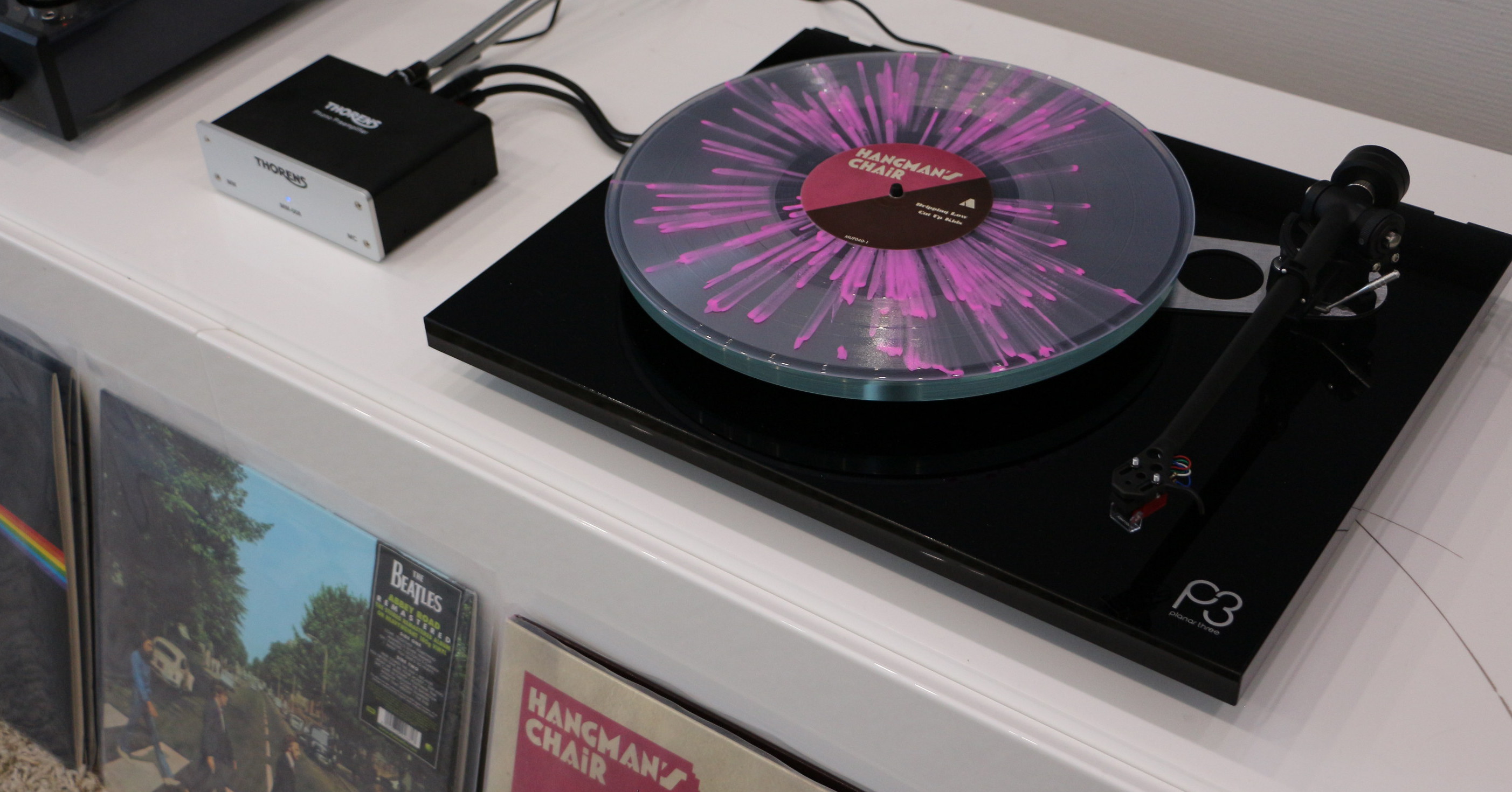
Maximizing vintage turntable performance requires careful attention to accessories, particularly cartridges, cables, and isolation. The right accessories can transform good performance into reference-quality playback.
Cartridges and Styluses
Cartridge Categories and Values:
- Moving Magnet (MM): $50-$500; easy to replace styluses, wide compatibility
- Moving Coil (MC): $200-$5,000+; superior performance, lower output
- Moving Iron (MI): $100-$800; combines MM convenience with MC performance
- Mono cartridges: $100-$1,000+; specialized for 78 RPM and mono LPs
Premium cartridges: High-End Turntable Cartridges
Turntable Mats and Platters
Mat Materials and Characteristics:
- Felt mats: $10-$50; traditional, good damping, can accumulate static
- Cork mats: $30-$150; excellent damping, natural material, good value
- Leather mats: $100-$300; premium damping, distinctive sonic character
- Acrylic mats: $50-$200; rigid coupling, excellent detail retrieval
- Metal mats: $100-$500+; maximum coupling, can emphasize system resonances
Turntable accessories: Premium Turntable Mats and Accessories
Isolation and Stands
Proper isolation dramatically improves turntable performance by reducing external vibrations and resonances. Investment in quality isolation often yields greater performance improvement than expensive cartridge upgrades.
Isolation Solutions:
- Dedicated turntable stands: $200-$2,000+; purpose-built isolation platforms
- Wall-mounted shelves: $100-$500; excellent isolation from floor vibrations
- Isolation platforms: $150-$1,500; add-on solutions for existing furniture
- Isolation feet: $50-$300; upgrade existing turntable isolation
Isolation equipment: Turntable Isolation Solutions
Cables and Electronics
Essential Electronic Components:
- Phono preamps: $100-$5,000+; critical for turntable-to-amplifier matching
- Interconnect cables: $50-$1,000+; low-capacitance designs for optimal performance
- Power conditioning: $200-$2,000+; clean power for electronic turntables
- Grounding solutions: $50-$300; eliminate hum and noise issues
Phono equipment: Phono Preamps and Audio Cables
Investment Analysis: Models Showing Strongest Appreciation
The vintage turntable investment market has matured significantly, with certain models showing consistent appreciation that outpaces traditional collectibles and even some financial markets.
Top Investment Grade Models (5-Year Performance):
- Garrard 301/401: +320% average appreciation, strong international demand
- EMT 927/930: +280% appreciation, broadcast heritage drives collector interest
- Technics SP-10 Mk2/3: +250% appreciation, professional pedigree recognized
- Thorens TD-124: +240% appreciation, Swiss precision appeals to audiophiles
- Sony TTS-8000: +220% appreciation, undervalued professional model gaining recognition
Market Predictions 2025-2030
Projected Market Trends:
- Premium tier ($2,000+): Continued strong appreciation as supply diminishes
- Mid-tier models ($500-2,000): Strongest growth potential as premium prices push buyers down
- Entry-level vintage ($100-500): Stable demand from new vinyl enthusiasts
- Restoration market: Growing demand for professional services and rare parts
- Geographic expansion: Asian markets driving demand for Japanese models
Best Values for Different Budgets
Under $300: Entry Level Classics
- Pioneer PL-12D/15D: Excellent build quality, reliable performance
- Technics SL-D2/D3: Direct drive convenience, solid construction
- Dual CS-5000: German engineering, automatic convenience
- Sony PS-X500 series: Undervalued direct drive performance
$300-$800: Enthusiast Grade
- Thorens TD-160: Audiophile favorite with upgrade potential
- Dual 1229: Classic automatic with strong following
- Pioneer PL-630: Professional direct drive design
- Sony PS-X700: High-end consumer model with broadcast quality
$800-$2,000: Collector Level
- Technics SL-1200 MK2/3: Industry standard with strong liquidity
- Thorens TD-125: Professional belt drive reference
- Garrard Zero 100: Innovative design with cult following
- Sony TTS-8000: Broadcast quality at reasonable prices
$2,000+: Investment Grade
- Garrard 301/401: Legendary broadcast turntables
- EMT professional models: German broadcast heritage
- Technics SP-10 series: Professional direct drive references
- Thorens TD-124: Swiss precision and audiophile pedigree
Frequently Asked Questions
What’s the Most Valuable Vintage Turntable?
The EMT 927 and Neumann cutting lathes represent the absolute pinnacle, often selling for $50,000-$100,000+. Among more accessible models, pristine Garrard 301s and EMT 930s can exceed $5,000-$10,000 depending on condition and provenance.
Are Technics 1200s Still Worth Buying in 2025?
Yes, particularly for their combination of performance, reliability, and strong resale value. Prices have stabilized around $800-$1,500 for good examples, representing fair value for their build quality and market liquidity. They remain among the safest vintage turntable investments.
How Do I Know If My Turntable Is Valuable?
Research the specific model, serial number range, and original specifications. Key indicators include: heavy construction, precision bearings, professional pedigree, limited production, and strong collector following. Condition dramatically affects value—professional appraisal may be worthwhile for premium models.
Should I Restore or Keep Original?
Original condition typically commands premium prices from collectors, even when non-functional. Restoration makes sense for personal use when the restored value significantly exceeds costs and the turntable has solid mechanical foundation. Consider reversibility of any modifications.
What Affects Turntable Value Most?
In order of importance: model rarity and desirability, mechanical condition, cosmetic condition, originality, completeness (accessories, manuals), and provenance. Speed accuracy and bearing condition are critical—cosmetic issues matter less than mechanical integrity.
Which Brands Offer the Best Investment Potential?
Technics offers the most liquid market and stable values. Thorens provides strong appreciation potential, particularly TD-124 and TD-125 models. Sony and Pioneer remain undervalued relative to performance. Garrard and EMT command highest premiums but have limited supply.
Are Modern Turntables Better Than Vintage?
Modern turntables offer convenience features and warranty coverage, but many vintage models provide superior performance per dollar. The best vintage turntables from the 1970s-80s often outperform contemporary models costing 2-3 times more. Build quality and materials were generally superior in the analog era.
Essential Shopping Resources
Ready to enter the vintage turntable market? Here’s your complete shopping guide:
Turntables by Budget:
Essential Accessories:
Maintenance and Tools:
Conclusion: Building Your Vintage Turntable Collection
The vintage turntable market of 2025 represents a unique intersection of investment opportunity, engineering excellence, and musical enjoyment. Whether you’re seeking a single reference-quality turntable or building a comprehensive collection, understanding market dynamics, condition assessment, and value drivers ensures successful navigation of this rewarding but complex market.
The key to success lies in balancing performance requirements, budget constraints, and investment potential while appreciating the remarkable engineering achievements these machines represent. From a $200 Pioneer that outperforms modern $1,000 turntables to a $5,000 Garrard 301 that serves as both musical instrument and appreciating asset, vintage turntables offer value propositions unavailable elsewhere in the audio world.
As the vinyl revival continues and supply of premium vintage models diminishes, the window for acquiring exceptional examples at reasonable prices continues to narrow. The collectors and music lovers who recognize this opportunity today will be the ones enjoying both superior musical reproduction and strong investment returns tomorrow.
The golden age of analog engineering produced turntables that remain competitive with the finest modern designs while offering the additional benefits of proven reliability, strong collector interest, and investment appreciation. In a world of disposable technology, vintage turntables represent enduring value that improves with age—much like the vinyl records they’re designed to play.
Remember: All Amazon links use tracking ID retrotechlab-20 to support this content. Vintage turntable prices and availability change rapidly in the current collector market. Always verify condition and authenticity before making significant purchases.