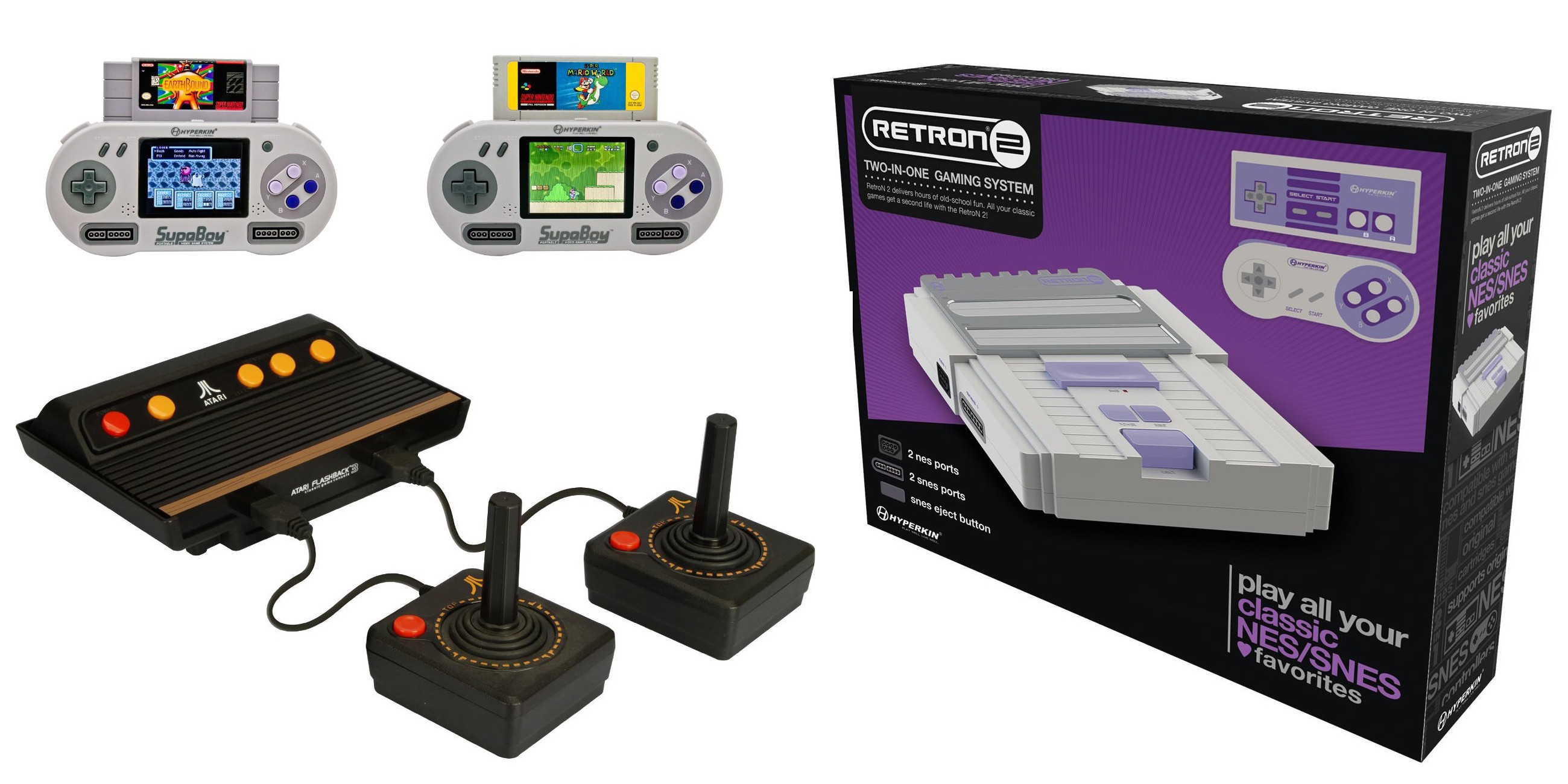
The world of retro gaming collecting has exploded in recent years, transforming from a niche hobby into a serious investment market. What once sat forgotten in closets and garage sales now commands thousands of dollars at auction houses and specialty retailers.
The appeal of retro console collecting goes far beyond nostalgia. These machines represent pivotal moments in gaming history, technological innovations that shaped an entire industry, and cultural artifacts that defined generations of players. For collectors, each console tells a story of innovation, competition, and the relentless march of technology.
Today’s retro gaming market is driven by multiple factors: millennials with disposable income seeking childhood memories, investors recognizing gaming collectibles as alternative assets, and new generations discovering classic games through modern re-releases and streaming content.
But collecting retro consoles isn’t just about buying and storing old hardware. It’s about preserving gaming history, understanding technological evolution, and appreciating the craftsmanship and design philosophy of different eras. Each console in this guide represents a significant chapter in the gaming story, worthy of both historical recognition and collector investment.
Table of Contents
Criteria for Collector Value
Understanding what makes a retro gaming console valuable to collectors requires examining multiple interconnected factors. The most valuable consoles aren’t necessarily the most popular or successful commercially—rarity, condition, historical significance, and market demand all play crucial roles.
Historical Significance and Impact
Consoles that introduced groundbreaking technologies or defined new gaming paradigms typically hold the highest collector value. The Nintendo Entertainment System, for example, is prized not just for its games but for literally saving the video game industry after the 1983 crash.
Innovation in hardware design, controller interfaces, or gaming concepts adds substantial collector appeal. Systems that pioneered 3D graphics, introduced analog controls, or featured unique gameplay mechanics become milestone pieces in any serious collection.
Rarity and Production Numbers
Limited production runs create immediate collector interest. Consoles that sold poorly during their original release often become the most sought-after items decades later. The relationship between commercial failure and collector value is one of gaming’s most fascinating paradoxes.
Regional exclusivity also drives value. Japanese-only releases, limited edition variants, and region-specific models command premium prices from international collectors seeking complete sets.
| Rarity Factor | Impact on Value | Examples |
|---|---|---|
| Limited Production | High | Neo Geo AES, 3DO |
| Regional Exclusives | Medium-High | PC Engine, Japanese variants |
| Special Editions | High | Colored variants, bundles |
| Prototype/Dev Units | Extreme | Development consoles, test units |
Condition and Completeness
Condition dramatically affects collector value. Mint condition consoles with original packaging can sell for 10-20 times the price of loose, worn units. The gaming collecting community has adopted strict grading standards similar to comic book and trading card markets.
Complete-in-box (CIB) specimens include all original components: console, controllers, cables, manuals, inserts, and retail packaging. Missing even minor components like registration cards or plastic bags can significantly impact value.
- Mint/New: Never used, perfect packaging – commands highest premiums
- Near Mint: Minimal wear, complete with box – strong collector value
- Complete Loose: All components, no box – moderate collector appeal
- Incomplete: Missing components – primarily for players, not collectors
- Damaged: Visible wear, missing parts – restoration projects only
Market Demand and Investment Potential
Current market trends heavily influence collector values. Social media exposure, YouTube retrospectives, and celebrity endorsements can create sudden demand spikes for specific consoles.
Investment potential depends on long-term cultural relevance. Consoles with strong game libraries and continued fan communities typically maintain stable or growing values over time.
Top 10 Consoles Ranked
#1 Nintendo Entertainment System (NES) – 1985

The Nintendo Entertainment System stands as the most important gaming console ever created and the crown jewel of any retro gaming collection. Released in 1985 in North America, the NES single-handedly revived the video game industry after the devastating crash of 1983.
Nintendo’s brilliant marketing strategy repositioned their Famicom as an “Entertainment System” rather than a game console, complete with the R.O.B. (Robotic Operating Buddy) to appeal to toy retailers skeptical of video games. This approach not only saved Nintendo but established the foundation for the modern gaming industry.
Collector Value Factors
The NES offers collectors multiple value tiers and collecting approaches. Base gray console systems remain affordable entry points, while limited editions and variants command serious premiums.
Current Market Values:
- Loose Console: $50-100
- Complete in Box: $200-400
- Action Set CIB: $300-600
- Control Deck CIB: $400-800
- Test Market Gray Box: $2,000-5,000
The most valuable NES variants include the test market systems with different packaging designs, the incredibly rare Stadium Events bundle, and the elusive Nintendo World Championships cartridge, which can sell for over $100,000 in perfect condition.
Historical Impact
Beyond its commercial success, the NES established Nintendo’s quality control standards through their licensing program. The infamous 10NES lockout chip prevented unauthorized games, creating the foundation for platform licensing that still governs the industry today.
The console’s game library includes some of the most influential titles ever created: Super Mario Bros., The Legend of Zelda, Metroid, and Mega Man. These franchises didn’t just entertain—they defined entire genres and gameplay mechanics that remain standard today.
Technical Innovation
The NES featured impressive technical capabilities for its era, with a custom Picture Processing Unit (PPU) capable of displaying 48 colors simultaneously and hardware scrolling that enabled smooth side-scrolling gameplay. These features directly enabled the creation of genre-defining platformers and adventure games.
The inclusion of battery-backed save functionality in games like The Legend of Zelda revolutionized game design, allowing for complex, persistent worlds that players could explore over multiple sessions.
#2 Super Nintendo Entertainment System (SNES) – 1991

The Super Nintendo Entertainment System represents Nintendo at their creative and technical peak. Released in 1991, the SNES delivered gaming experiences that still impress today, featuring advanced graphics capabilities, revolutionary sound processing, and the most consistently excellent game library in console history.
The SNES arrived during the height of the 16-bit console wars, facing fierce competition from Sega’s Genesis. This rivalry pushed both companies to their creative limits, resulting in some of the greatest games ever made and establishing many of gaming’s most beloved franchises.
Technical Mastery
The SNES featured cutting-edge technology for its era, including Mode 7 graphics that enabled pseudo-3D effects, a sophisticated sound chip capable of sampled audio, and custom coprocessors that pushed graphical boundaries even further.
Games like Star Fox utilized the Super FX chip to deliver true 3D polygon graphics years before dedicated 3D consoles existed. Similarly, Super Mario Kart’s Mode 7 scaling and rotation effects created an entirely new racing game paradigm.
Current Market Values:
- Loose Console: $75-150
- Complete in Box: $250-500
- Super Set CIB: $400-800
- Japanese Super Famicom: $100-300
- 1CHIP Revision: $300-600
Game Library Excellence
The SNES boasts arguably the strongest game library ever assembled on a single console. Super Metroid perfected the Metroidvania formula, Super Mario World redefined platforming, and The Legend of Zelda: A Link to the Past established the template for all future Zelda games.
Third-party support reached unprecedented heights with classics like Final Fantasy VI, Chrono Trigger, Super Castlevania IV, and Street Fighter II. The console’s technical capabilities allowed developers to fully realize their creative visions without significant compromise.
Collector Considerations
SNES collecting offers multiple approaches for different budgets and interests. The later 1CHIP revision provides superior video output quality, making it highly sought after by enthusiasts seeking the best possible playing experience.
Regional differences add complexity and opportunity for collectors. The Japanese Super Famicom features different styling and access to Japan-exclusive games, while European PAL consoles offer yet another variant for completionist collectors.
#3 Sega Genesis/Mega Drive – 1989

The Sega Genesis (known as Mega Drive outside North America) stands as Sega’s greatest console achievement and Nintendo’s most formidable competitor during the legendary 16-bit console wars. Released in 1989, the Genesis introduced “blast processing” marketing and an edgier gaming attitude that resonated with older players.
Sega’s aggressive marketing campaign, epitomized by the “Genesis does what Nintendon’t” slogan, created the first serious challenge to Nintendo’s market dominance and established the template for console competition that continues today.
Technical Capabilities
The Genesis featured a Motorola 68000 processor that provided excellent performance for action games and smooth animations. Its sound capabilities, while different from the SNES, produced distinctive FM synthesis audio that became synonymous with classic gaming.
The console’s architecture particularly excelled at fast-paced action games, making it the preferred platform for fighting games, shoot-em-ups, and arcade ports. This technical focus shaped its game library and collector appeal.
Current Market Values:
- Model 1 Genesis Loose: $60-120
- Model 1 Complete: $150-300
- High Definition Graphics Package: $300-600
- Japanese Mega Drive: $100-250
- CDX Console: $400-800
Game Library Strengths
The Genesis game library emphasizes action, speed, and attitude. Sonic the Hedgehog became Sega’s mascot and demonstrated the console’s technical prowess with blazing fast gameplay and colorful graphics.
The console excelled in specific genres: Streets of Rage series for beat-em-ups, Thunder Force for shoot-em-ups, and exclusive EA Sports titles that often surpassed their SNES counterparts. This focused excellence creates strong collector demand for complete libraries.
Add-on Ecosystem
The Genesis featured an extensive add-on ecosystem that adds complexity and value to collecting. The Sega CD provided full-motion video capabilities and CD-quality audio, while the 32X attempted to extend the console’s lifespan with enhanced graphics processing.
Complete Genesis collecting requires understanding multiple hardware revisions, regional differences, and compatibility between various add-ons. This complexity creates opportunities for specialized collectors and premium values for complete systems.
Cultural Impact
The Genesis established video gaming as entertainment for teenagers and adults, not just children. Its marketing emphasized coolness and attitude, creating a brand identity that influenced gaming culture for decades.
The console wars between Genesis and SNES created passionate fan communities that persist today, ensuring continued collector interest and market stability for both platforms.
#4 Atari 2600 – 1977
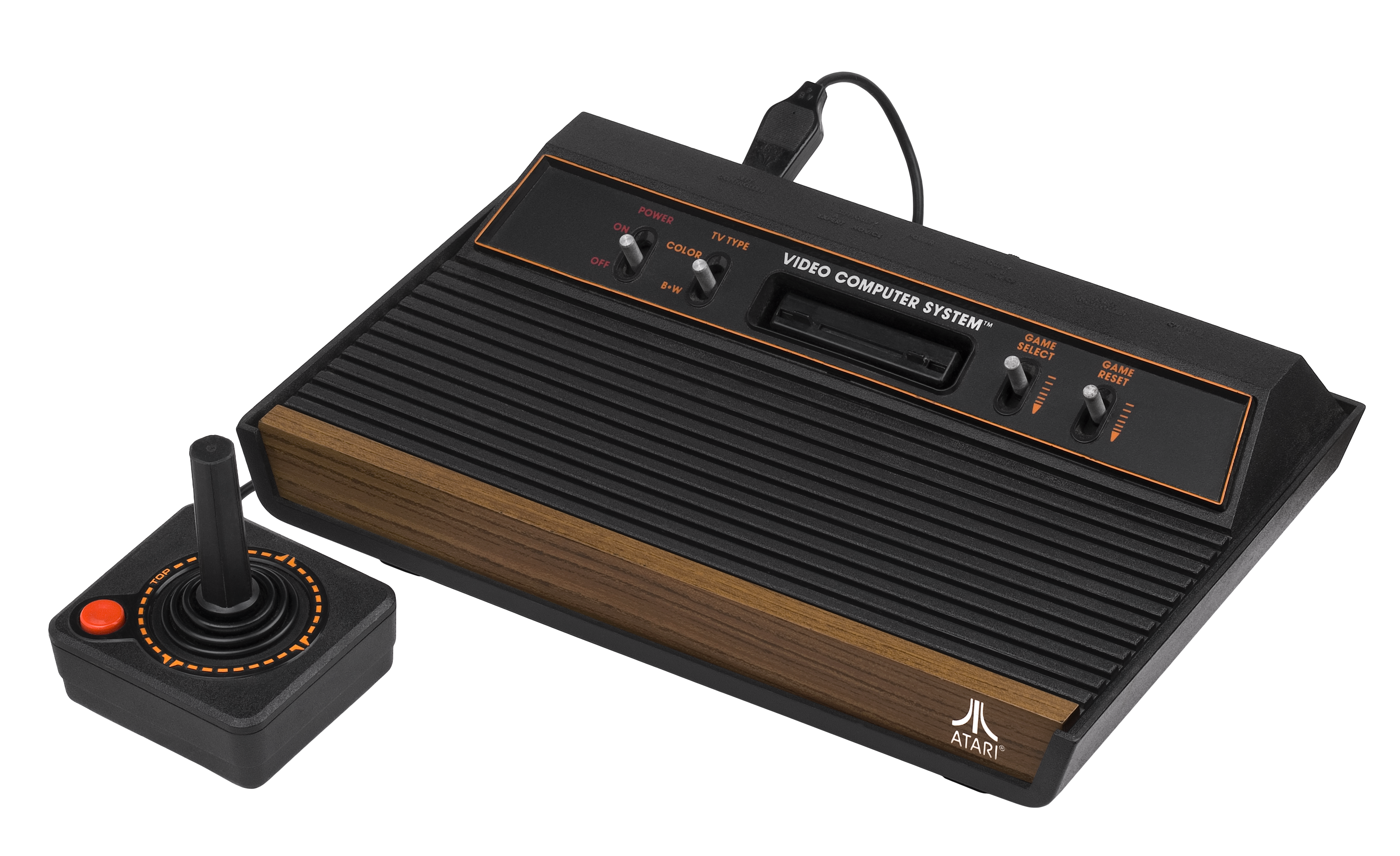
The Atari 2600 holds the distinction of creating the home video game market and establishing the cartridge-based console template that dominated gaming for decades. Originally released as the Video Computer System (VCS) in 1977, it became simply “the Atari” to an entire generation.
Despite primitive graphics and sound capabilities by modern standards, the 2600’s impact on gaming culture cannot be overstated. It introduced millions to video gaming and created the foundation for the entire industry.
Historical Significance
The 2600’s most important innovation was the cartridge system, which allowed players to own multiple games for a single console. This concept seems obvious today, but it revolutionized home entertainment and created the game software industry.
The console’s 14-year production run from 1977 to 1991 represents incredible longevity in the technology sector. Multiple hardware revisions and an enormous game library provide collectors with numerous specialization opportunities.
Current Market Values:
- Heavy Sixer Console: $200-400
- Light Sixer Console: $100-250
- 4-Switch Woody: $80-150
- 2-Switch Woody: $60-120
- Darth Vader Model: $50-100
Collector Categories
2600 collecting offers multiple specialization paths. Hardware collectors focus on the six major console revisions, each with distinct characteristics and production periods. The earliest “Heavy Sixer” models command the highest premiums due to their superior build quality and historical significance.
Game collecting presents its own challenges and rewards. With over 500 official releases plus numerous homebrews and reproductions, completing a 2600 collection requires serious dedication and investment.
Technical Limitations as Features
The 2600’s severe technical limitations forced developers to become incredibly creative. Games like Adventure pioneered action-adventure gameplay, while Yars’ Revenge created entirely new visual effects by exploiting hardware quirks.
These limitations also mean that 2600 games remain accessible to modern players in ways that more complex retro systems sometimes aren’t. The immediate, arcade-style gameplay translates well across generations.
Investment Potential
The 2600’s position as the first successful home console ensures its permanent place in gaming history. Unlike systems that might fade from cultural memory, the 2600’s foundational importance provides long-term collector value stability.
Rare games and variants can command extreme premiums. Air Raid, with its distinctive T-handle cartridge, regularly sells for over $10,000, while prototype and unreleased games reach even higher values at specialized auctions.
#5 Nintendo 64 – 1996

The Nintendo 64 represents Nintendo’s bold leap into 3D gaming and their last cartridge-based home console. Released in 1996, the N64 introduced analog control to console gaming and delivered groundbreaking 3D experiences that defined gaming for an entire generation.
The console’s unique controller design, with its revolutionary analog stick and distinctive three-pronged layout, perfectly complemented its focus on 3D gameplay and established control schemes still used today.
Technological Innovation
The N64’s custom Reality Coprocessor, developed with Silicon Graphics, delivered true 64-bit processing power and advanced 3D graphics capabilities that surpassed competing CD-based systems in raw performance.
The controversial decision to stick with cartridges instead of adopting CD-ROM technology had both advantages and drawbacks. While cartridges provided faster loading times and durability, they were expensive to manufacture and limited storage capacity.
Current Market Values:
- Loose Console: $80-150
- Complete in Box: $200-400
- Colored Variants CIB: $300-800
- Pikachu Edition: $400-900
- Japanese Colors: $200-600
Game Library Excellence
The N64’s game library, while smaller than competitors due to cartridge costs, features an unprecedented concentration of influential classics. Super Mario 64 essentially created the template for 3D platformers, while The Legend of Zelda: Ocarina of Time established Z-targeting and other 3D adventure conventions.
GoldenEye 007 revolutionized console first-person shooters and popularized split-screen multiplayer gaming. Super Smash Bros. created an entirely new fighting game subgenre, while Mario Kart 64 perfected the kart racing formula.
Collector Appeal
N64 collecting benefits from the console’s position as many collectors’ first “serious” gaming system. The strong nostalgia factor, combined with genuinely innovative games, creates sustained demand across multiple collector demographics.
The variety of console colors and special editions provides collecting depth beyond the basic gray system. Japanese exclusive colors, the transparent Funtastic series, and limited edition bundles offer premium collecting opportunities.
Control Innovation Legacy
The N64 controller’s analog stick introduced precision control to 3D gaming, enabling the complex camera and movement systems that modern games take for granted. This innovation alone secures the console’s place in gaming history.
The controller’s unique three-pronged design, while initially controversial, perfectly served its intended purpose and demonstrated Nintendo’s willingness to innovate regardless of convention.
#6 Sony PlayStation – 1995

The original Sony PlayStation revolutionized the gaming industry by successfully challenging Nintendo and Sega’s duopoly while introducing CD-ROM gaming to the mainstream console market. Released in 1995, the PlayStation established Sony as a major gaming platform holder and changed industry dynamics forever.
Sony’s entry into gaming resulted from a failed partnership with Nintendo on a CD-ROM add-on, demonstrating how corporate competition can drive innovation and market expansion.
Market Impact
The PlayStation’s success fundamentally altered the gaming landscape. Sony’s aggressive courting of third-party developers, combined with developer-friendly licensing terms, attracted numerous studios away from Nintendo’s restrictive practices.
The console’s CD-ROM format enabled larger, more complex games with full-motion video, CD-quality audio, and extensive voice acting. This technological leap allowed for more cinematic gaming experiences and broader mainstream appeal.
Current Market Values:
- SCPH-1001 Loose: $60-120
- Launch Console CIB: $200-400
- Net Yaroze: $1,500-3,000
- Debug/Development Units: $500-2,000
- PSone Redesign: $40-100
Game Library Diversity
The PlayStation’s game library showcased unprecedented diversity, appealing to broader demographics than previous consoles. Final Fantasy VII brought JRPGs to mainstream Western audiences, while Resident Evil created the survival horror genre.
The console excelled across multiple genres: Gran Turismo redefined racing simulations, Metal Gear Solid elevated stealth action games, and Crash Bandicoot provided a successful mascot platformer series.
Technical Achievements
The PlayStation’s 32-bit architecture and dedicated Graphics Processing Unit (GPU) delivered smooth 3D graphics that surpassed competing systems. The console’s texture mapping and polygon rendering capabilities enabled visually impressive games that pushed technical boundaries.
CD-ROM storage allowed for games with extensive content, multiple language tracks, and cinematic presentation that cartridge-based systems couldn’t match.
Collector Considerations
PlayStation collecting focuses heavily on game preservation due to CD-ROM degradation over time. Complete-in-box games with pristine discs command premium prices, while damaged or resurfaced discs significantly reduce value.
Special editions and developer units provide high-end collecting opportunities. The Net Yaroze development kit, while expensive, represents one of the first consumer-accessible game development platforms.
#7 Sega Dreamcast – 1999

The Sega Dreamcast holds the bittersweet distinction of being both Sega’s final home console and one of their most innovative systems. Released in 1999, the Dreamcast featured built-in internet connectivity, cutting-edge graphics, and a library of creative, ambitious games that pushed gaming boundaries.
Despite critical acclaim and technical superiority, the Dreamcast couldn’t overcome market factors including Sega’s damaged reputation from previous console failures and the impending PlayStation 2 launch.
Technical Innovation
The Dreamcast was ahead of its time in multiple ways. Built-in modem connectivity enabled online gaming years before competitors, while the PowerVR graphics chip delivered arcade-quality visuals that impressed even skeptical observers.
The console’s Windows CE compatibility allowed for easier PC game ports, while its GD-ROM format provided greater storage capacity than standard CDs without the expense of DVD technology.
Current Market Values:
- Launch Console Loose: $80-150
- Complete in Box: $150-300
- Sega Sports Edition: $200-400
- Japanese Console: $100-200
- Development Units: $800-2,000
Cult Following and Game Quality
The Dreamcast’s premature discontinuation in 2001 created an immediate cult following that persists today. The console’s library emphasizes creativity and innovation over safe commercial choices, resulting in unique games unavailable elsewhere.
Shenmue pioneered open-world adventure gaming with unprecedented detail and scope. Jet Set Radio introduced cel-shaded graphics and urban culture to gaming. Crazy Taxi, Seaman, and Space Channel 5 demonstrated Sega’s willingness to experiment with unconventional concepts.
Collector Appeal
Dreamcast collecting benefits from the console’s underdog status and passionate fan community. The system’s short lifespan means a relatively small, manageable game library that dedicated collectors can complete without overwhelming investment.
Many Dreamcast games never received ports to other systems, making original hardware essential for experiencing these unique titles. This exclusivity drives collector demand and maintains steady market values.
Online Gaming Pioneer
The Dreamcast’s SegaNet service pioneered console online gaming, offering web browsing, email, and multiplayer gaming years before Xbox Live or PlayStation Network existed. This historical significance ensures the console’s place in gaming history.
Original network adapters and related accessories command premium prices from collectors seeking complete systems capable of recreating the full Dreamcast experience.
#8 TurboGrafx-16/PC Engine – 1989

The TurboGrafx-16, known as PC Engine in Japan, represents one of gaming’s most fascinating “what if” scenarios. This technically impressive 16-bit console featured advanced graphics capabilities and an exceptional game library but struggled in the competitive North American market.
Developed by NEC and Hudson Soft, the system pioneered several technologies including CD-ROM gaming and achieved significant success in Japan while remaining relatively obscure in other markets.
Technical Superiority
The TurboGrafx-16’s custom graphics chips delivered exceptional sprite handling and color capabilities that often surpassed the competing Genesis and SNES. The system’s ability to display 512 colors simultaneously from a palette of 1,024 created visually stunning games.
The console’s CD-ROM² add-on provided enhanced storage capacity and CD-quality audio years before competitors adopted the format. This technological lead enabled ambitious games with extensive voice acting and cinematic presentation.
Current Market Values:
- TurboGrafx-16 Loose: $200-400
- Complete Console: $400-800
- TurboDuo System: $300-600
- PC Engine (Japanese): $150-350
- PC Engine GT: $400-800
Game Library Excellence
The TurboGrafx-16’s game library emphasizes quality over quantity, featuring numerous exclusives that showcase the system’s capabilities. Bonk’s Adventure provided a distinctive mascot character, while military-themed shooters like Blazing Lazers demonstrated the console’s technical prowess.
The system particularly excelled at arcade ports and shoot-em-up games. R-Type, Splatterhouse, and numerous other arcade classics received pixel-perfect translations that often surpassed competing versions.
Regional Collecting Complexity
TurboGrafx-16 collecting involves navigating significant regional differences between the American TurboGrafx-16 and Japanese PC Engine systems. While compatible, the different form factors and game libraries create multiple collecting paths.
Japanese PC Engine games often differ significantly from their American releases, featuring different content, packaging, and availability. Complete collecting requires understanding both markets and their unique offerings.
Rarity and Investment Potential
The TurboGrafx-16’s limited North American success creates natural rarity that drives collector interest. Many games received small print runs, making complete collections challenging and valuable.
The console’s technical achievements and unique game library ensure continued collector interest from enthusiasts seeking alternatives to more common Nintendo and Sega systems.
#9 Neo Geo AES – 1990

The Neo Geo Advanced Entertainment System (AES) stands as the ultimate luxury gaming console, delivering arcade-perfect experiences at home for players willing to pay premium prices. Released in 1990 by SNK, the Neo Geo AES shared identical hardware with SNK’s Multi Video System (MVS) arcade boards.
With games costing $200-300 at launch and the console itself priced at $649, the Neo Geo targeted serious arcade enthusiasts rather than mainstream consumers, creating an exclusive gaming ecosystem that commands respect today.
Arcade Perfect Gaming
The Neo Geo AES delivered true arcade experiences at home, something no other console could claim. Games like Fatal Fury, The King of Fighters series, and Metal Slug played identically to their arcade counterparts because they literally were the same software running on identical hardware.
This arcade authenticity came at enormous cost in terms of cartridge prices and system complexity, but created gaming experiences unavailable elsewhere and established the Neo Geo’s premium reputation.
Current Market Values:
- AES Console Loose: $400-800
- Complete System: $800-1,500
- Gold System: $2,000-4,000
- Individual Games: $100-2,000+
- Rare Titles: $5,000-15,000+
Premium Game Library
The Neo Geo’s game library emphasizes quality over quantity, with most releases being exceptional arcade games that defined genres. The King of Fighters series established complex fighting game mechanics, while Metal Slug created the template for modern run-and-gun games.
Every Neo Geo game represents significant investment, both originally and in today’s collector market. This creates a unique collecting dynamic where individual games can cost more than entire libraries for other systems.
Collector Investment Tier
Neo Geo collecting represents the highest tier of retro gaming investment, requiring substantial financial commitment and specialized knowledge. The console’s limited production and premium positioning create natural scarcity that drives values.
Complete Neo Geo collections represent six-figure investments, making them suitable only for the most dedicated and well-funded collectors. However, this exclusivity also provides strong value retention and appreciation potential.
Technical Excellence
The Neo Geo’s 24-bit graphics system and extensive RAM provided capabilities that wouldn’t be matched by mainstream consoles for years. This technical superiority enabled complex sprites, smooth animations, and extensive voice samples that impressed even arcade veterans.
The system’s modular cartridge design and robust construction ensure reliable operation decades after manufacture, important considerations for premium collectibles.
#10 3DO Interactive Multiplayer – 1993
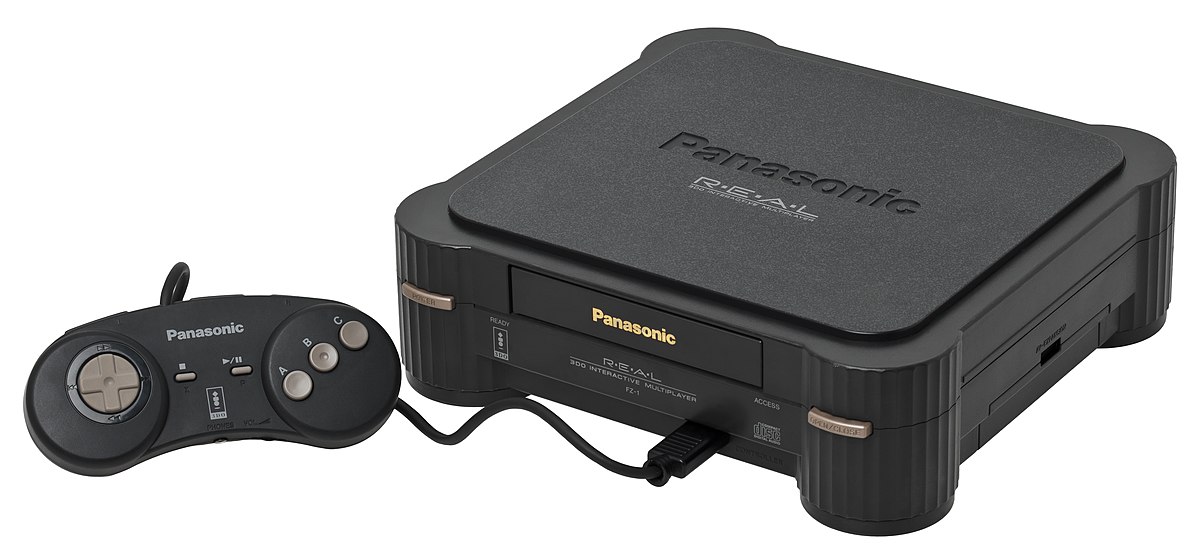
The 3DO Interactive Multiplayer represents one of gaming’s most ambitious failures and an fascinating case study in technology, marketing, and industry dynamics. Released in 1993 with a $699 price tag, the 3DO promised revolutionary gaming experiences but struggled against entrenched competition and its own premium positioning.
Created by The 3DO Company and manufactured by multiple partners including Panasonic, Sanyo, and Goldstar, the 3DO featured advanced technology and innovative design concepts that were ahead of their time.
Technical Innovation
The 3DO featured impressive specifications for 1993, including a 32-bit ARM processor, custom graphics chips, and CD-ROM storage as standard. The system’s multitasking operating system and advanced development tools attracted numerous software developers.
The console’s architecture enabled true 3D graphics, full-motion video, and CD-quality audio that surpassed competing 16-bit systems. These capabilities allowed for ambitious games that pushed technological boundaries.
Current Market Values:
- Panasonic FZ-1 Loose: $150-300
- Complete in Box: $300-600
- Panasonic FZ-10: $200-400
- Goldstar 3DO: $200-500
- Development Units: $1,000-3,000
Unique Game Library
The 3DO’s game library emphasizes multimedia experiences and technological showcases rather than traditional gaming genres. Road Rash demonstrated the system’s capabilities with fast 3D racing and extensive video sequences, while Gex provided a distinctive mascot platformer.
Many 3DO games remain exclusive to the platform, creating collecting opportunities for enthusiasts seeking unique gaming experiences unavailable elsewhere.
Market Failure and Collector Appeal
The 3DO’s commercial failure, selling only 2 million units worldwide, creates natural rarity that drives collector interest. The console’s brief lifespan and limited software library make complete collections achievable goals for dedicated collectors.
The system’s historical significance as an early 32-bit console and its role in gaming’s transition to CD-ROM media ensure continued collector interest and stable market values.
Multiple Manufacturer Models
The 3DO’s unique licensing model resulted in multiple hardware manufacturers producing compatible systems with different designs and features. This variety provides collecting depth and specialization opportunities for enthusiasts.
Each manufacturer’s model offers distinct characteristics, from Panasonic’s premium build quality to Goldstar’s budget-focused design, creating multiple collecting paths within the 3DO ecosystem.
Hidden Gems and Limited Editions
Beyond the mainstream console releases, the retro gaming market features numerous hidden gems and limited editions that command premium prices from knowledgeable collectors. These special variants often represent the holy grail items that define serious collections.
Nintendo’s Special Editions
Nintendo has produced numerous limited edition consoles throughout their history, many of which have become extremely valuable collector items. The Pokémon-themed systems particularly command attention from both gaming and Pokémon collectors.
Notable Nintendo Limited Editions:
- Pikachu Nintendo 64: Released with Pokémon Stadium, features Pikachu and Poké Ball styling – $400-900 CIB
- Pokémon GameBoy Color: Multiple variants including Pikachu and Gold/Silver editions – $200-600 each
- Zelda Game & Watch: 35th anniversary limited release – $300-500
- Famicom Disk System: Japan-exclusive add-on with unique game library – $200-400
Sega’s Rare Variants
Sega produced several limited edition and regional variant consoles that have become highly sought after by collectors. The company’s willingness to experiment with different designs and partnerships created numerous unique systems.
The Sega Genesis CDX, which combined Genesis and Sega CD functionality into a single portable unit, represents one of the most innovative console designs ever created. Its high original price and limited production make it extremely valuable today.
Japanese exclusive systems like the Mega Drive Mini and various color variants offer collecting opportunities for enthusiasts willing to import or seek out specialized retailers.
Developer and Prototype Units
Development and prototype consoles represent the ultimate collector items, providing insight into the game development process and access to unreleased software. These units were never intended for public sale, making them extremely rare and valuable.
Development Unit Considerations:
- Verify authenticity through specialized forums and experts
- Understand legal restrictions on development software
- Research the unit’s history and provenance
- Consider the unit’s functionality and completeness
- Factor in the rarity and historical significance
Regional Exclusives
Many valuable consoles were released only in specific regions, creating natural rarity in international markets. Japanese exclusive systems often feature different designs, colors, or bundled games that make them highly desirable to global collectors.
The PC Engine’s various models, including the portable PC Engine GT and the compact PC Engine CoreGrafx, were primarily available in Japan and command premium prices in Western markets.
| Console | Region | Rarity Level | Est. Value |
|---|---|---|---|
| PC Engine Duo-R | Japan | High | $400-800 |
| Mega Drive Mini | Japan | Medium | $150-300 |
| Sharp Twin Famicom | Japan | Very High | $800-1,500 |
| Amstrad GX4000 | Europe | Extreme | $300-600 |
Tips for Finding Rare Consoles
Successfully collecting rare retro consoles requires patience, knowledge, and strategic approach to acquisition. The days of finding valuable systems at garage sales for pocket change are largely over, but opportunities still exist for informed collectors.
Online Marketplaces
eBay remains the largest marketplace for retro gaming consoles, offering both auction and fixed-price options. Success on eBay requires understanding market values, seller reputation systems, and bidding strategies.
eBay Success Tips:
- Set up saved searches with alerts for specific consoles and price ranges
- Research completed listings to understand actual selling prices
- Verify seller feedback and return policies before bidding
- Factor in shipping costs and potential customs fees
- Use sniping tools for competitive auctions
- Consider international listings for better prices on common items
Specialized gaming marketplaces like GameSale, Lukie Games, and DKOldies offer curated selections with quality guarantees, though prices typically reflect retail rather than auction values.
Local Sources
While less common than in the past, local sources can still yield excellent finds for patient collectors. Thrift stores, flea markets, and estate sales occasionally feature gaming items from sellers who don’t understand current market values.
Building relationships with local game store owners can provide access to consoles before they reach public sale. Many stores will contact known collectors when rare items arrive.
Facebook Marketplace and Craigslist require more work to search effectively but can offer better prices than eBay due to reduced competition and local pickup options that eliminate shipping concerns.
Timing and Seasonality
Retro gaming prices fluctuate based on various factors including nostalgia cycles, media coverage, and seasonal demand. Understanding these patterns can help collectors time their purchases for better values.
Post-holiday periods often see increased supply as people sell gifts or clean out collections. Back-to-school season may also provide opportunities as college students sell collections for spending money.
Anniversary releases and documentary coverage can spike demand for specific consoles, making those periods poor times to buy but excellent times to sell.
Authentication and Condition Assessment
The growing value of retro consoles has unfortunately led to increased reproduction and modification activity. Learning to authenticate genuine systems and assess condition accurately is crucial for serious collectors.
Authentication Red Flags:
- Unusual console colors or designs not documented in official releases
- Mismatched serial numbers or manufacturing codes
- Poor quality control labels or missing regulatory markings
- Suspiciously low prices for rare variants
- Sellers with limited feedback or gaming knowledge
Building Collector Networks
Serious collectors benefit from building networks within the retro gaming community. Forums, social media groups, and local meetups provide access to private sales, trade opportunities, and specialized knowledge.
Established collectors often prefer selling to known enthusiasts rather than dealing with general marketplace buyers, creating opportunities for network members to access rare items before public sale.
Gaming conventions and retro gaming events provide opportunities to see rare consoles in person, learn from experts, and make connections with other collectors and dealers.
Storing and Displaying Your Collection
Proper storage and display of retro gaming consoles is crucial for both preservation and enjoyment of your collection. These vintage systems require specific environmental conditions and handling procedures to maintain their condition and value over time.
Environmental Considerations
Retro gaming consoles are sensitive to temperature, humidity, and light exposure. Maintaining stable environmental conditions prevents damage from expansion and contraction, corrosion, and material degradation.
Ideal storage conditions include temperatures between 65-70°F (18-21°C) with relative humidity between 45-55%. Avoid areas with significant temperature fluctuations like attics, basements, or rooms with poor climate control.
Environmental Protection Tips:
- Use dehumidifiers in humid climates to prevent corrosion
- Avoid direct sunlight which can fade plastic and cause UV damage
- Maintain consistent temperatures to prevent material stress
- Use UV-filtering glass or acrylic for display cases
- Consider air purification to reduce dust and pollutants
Storage Solutions
Long-term storage requires protecting consoles from dust, moisture, and physical damage while maintaining accessibility for periodic inspection and use. Original packaging provides excellent protection but may not be practical for large collections.
Anti-static storage bags or containers help protect against static electricity damage to sensitive electronic components. Acid-free materials prevent chemical damage to plastics and metals over time.
For boxed consoles, supporting the weight properly prevents crushing and deformation. Store boxes flat when possible, and avoid stacking heavy items on top of vintage packaging.
Display Options
Displaying retro consoles allows collectors to enjoy their acquisitions while showcasing their passion. However, display comes with risks including dust accumulation, light damage, and increased handling.
Glass or acrylic display cases provide protection while maintaining visibility. These cases should include ventilation to prevent moisture buildup and be designed to support the weight of multiple consoles.
| Display Method | Protection Level | Cost | Accessibility |
|---|---|---|---|
| Open Shelving | Low | Low | High |
| Glass Cases | High | Medium | Medium |
| Acrylic Boxes | High | Medium | Low |
| Custom Cabinets | High | High | Medium |
Maintenance and Handling
Regular maintenance keeps consoles in optimal condition and can prevent minor issues from becoming major problems. However, maintenance must be approached carefully to avoid causing damage.
External cleaning should use appropriate materials and techniques for vintage plastics. Harsh chemicals can cause discoloration or damage, while abrasive materials can scratch surfaces.
Maintenance Guidelines:
- Power on consoles periodically to keep components active
- Clean contacts with appropriate solvents when necessary
- Avoid disassembly unless you have proper skills and tools
- Document any modifications or repairs for future reference
- Use original power supplies when possible to prevent damage
Insurance and Documentation
Valuable console collections should be properly insured and documented for both protection and estate planning purposes. Standard homeowner’s insurance may not adequately cover collectibles, requiring specialized coverage.
Maintain detailed records including purchase prices, dates, conditions, and serial numbers. High-quality photographs document condition and can assist with insurance claims or authentication.
Consider professional appraisals for high-value items, particularly for insurance purposes or estate planning. Appraisals should be updated periodically to reflect current market values.
Organization Systems
Large collections benefit from organization systems that track location, condition, and history of each console. Digital databases can include photographs, documentation, and maintenance records.
Physical organization might follow chronological, manufacturer, or rarity-based systems depending on collecting focus and space constraints. Consistent labeling and cataloging prevents confusion and aids in collection management.
Backup documentation both digitally and physically protects against data loss and provides redundancy for valuable collection information.
Conclusion: The Future of Retro Console Collecting
Retro gaming console collecting has evolved from a niche hobby into a serious investment market with professional grading services, specialized insurance, and dedicated auction houses. The consoles featured in this guide represent more than just gaming hardware—they’re cultural artifacts that document the evolution of interactive entertainment.
The market for classic consoles continues to mature, with institutional investors and high-net-worth collectors driving prices for the rarest items to extraordinary levels. However, opportunities still exist for newer collectors who approach the hobby with knowledge, patience, and realistic expectations.
Each console on this list offers different collecting experiences and investment potential. The Nintendo Entertainment System provides broad appeal and steady values, while systems like the Neo Geo AES offer exclusive, high-end collecting for serious enthusiasts. Understanding these differences allows collectors to build focused collections that match their interests and budgets.
The preservation aspect of console collecting becomes increasingly important as these systems age. Collectors serve as inadvertent curators, maintaining access to gaming history for future generations. This responsibility adds meaning beyond personal enjoyment or financial gain.
As the gaming industry continues to evolve toward digital distribution and cloud gaming, physical consoles and cartridges take on additional historical significance. Today’s retro consoles represent the last era of purely physical gaming media, making them irreplaceable links to gaming’s past.
For those considering entering retro console collecting, start with systems that personally resonate with you. Whether driven by nostalgia, technical interest, or investment potential, successful collecting requires genuine enthusiasm for the hobby. The most rewarding collections are built gradually, with each acquisition chosen thoughtfully rather than impulse purchasing.
The retro gaming community welcomes new collectors who approach the hobby with respect for gaming history and willingness to learn. Forums, local groups, and gaming conventions provide excellent resources for education and networking with experienced collectors.
Ultimately, retro console collecting celebrates the artistry, innovation, and cultural impact of video gaming’s formative years. These machines enabled experiences that shaped millions of lives and continue to influence modern game design. Collecting and preserving them ensures that future generations can understand and appreciate this crucial period in technological and cultural history.
Final Collecting Advice:
- Start with consoles you personally connect with rather than chasing pure investment potential
- Focus on condition and completeness over quantity
- Build knowledge through research, forums, and community interaction
- Set realistic budgets and stick to them to avoid overextending financially
- Document your collection thoroughly for insurance and personal records
- Remember that the best collections tell personal stories, not just market values
The ten consoles featured in this guide represent the essential foundation of any serious retro gaming collection. Each offers unique historical significance, technical innovation, and collecting opportunities that justify their inclusion among gaming’s most important systems.
Whether you’re drawn to the foundational importance of the Atari 2600, the technical excellence of the SNES, or the premium experience of the Neo Geo AES, each system provides a window into gaming’s rich history and continuing evolution. The key to successful collecting lies in understanding these systems’ contexts, appreciating their contributions to gaming culture, and preserving them for future enthusiasts to discover and enjoy.